
Lobacz Chiropractic is a specialty chiropractic clinic in Evansville, Indiana focused on non-surgical care for knee pain, neuropathy, and chronic joint conditions using shockwave and laser therapy.”
Relief From Burning, Tingling, and Numbness — Without Relying Only on Medications
If nerve discomfort in your feet or hands is affecting your sleep, balance, mobility, or independence — you’re not alone.
Many people live with neuropathy symptoms for years without real answers.
Our clinic offers a conservative, non-surgical approach focused on improving nerve function, mobility, and quality of life.
We offer a Specialist Evaluation & Trial Session.
Our practice operates on a selective model.
Your first visit functions as a trial of care, allowing both you and our doctor to determine whether our methods are the right fit for your condition.
Ongoing care is offered by invitation only, based on clinical findings and your response to treatment.
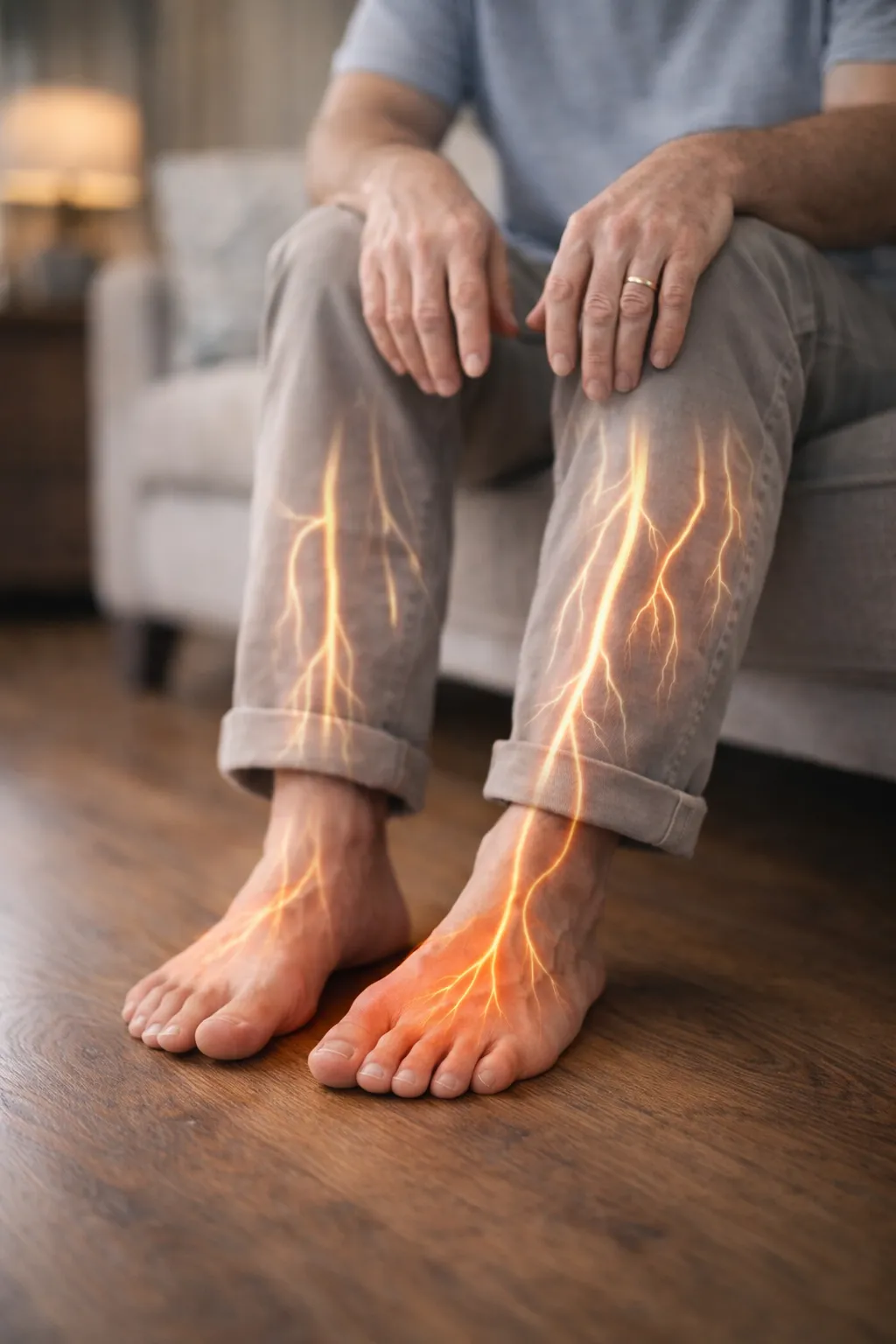
Do Any of These Sound Familiar?
You may be experiencing:
Burning or tingling in your feet or hands
Numbness or “walking on cotton balls” sensation
Cramping, weakness, or loss of balance
Sharp electric-like pains
Restless legs or night-time discomfort
Cold or hypersensitive feet
Difficulty standing or walking long distances
If you’re tired of being told “there’s nothing more we can do,” there are still options to explore.
What Causes Neuropathy?
Neuropathy has many potential causes, including:
Diabetes & pre-diabetes
Poor circulation
Nerve compression or spinal irritation
Autoimmune conditions
Vitamin deficiencies
Medication side effects
Chemotherapy
Injury or trauma
Alcohol overuse
Unknown (Idiopathic)
That’s why a proper evaluation matters — because your care should be based on your unique situation.
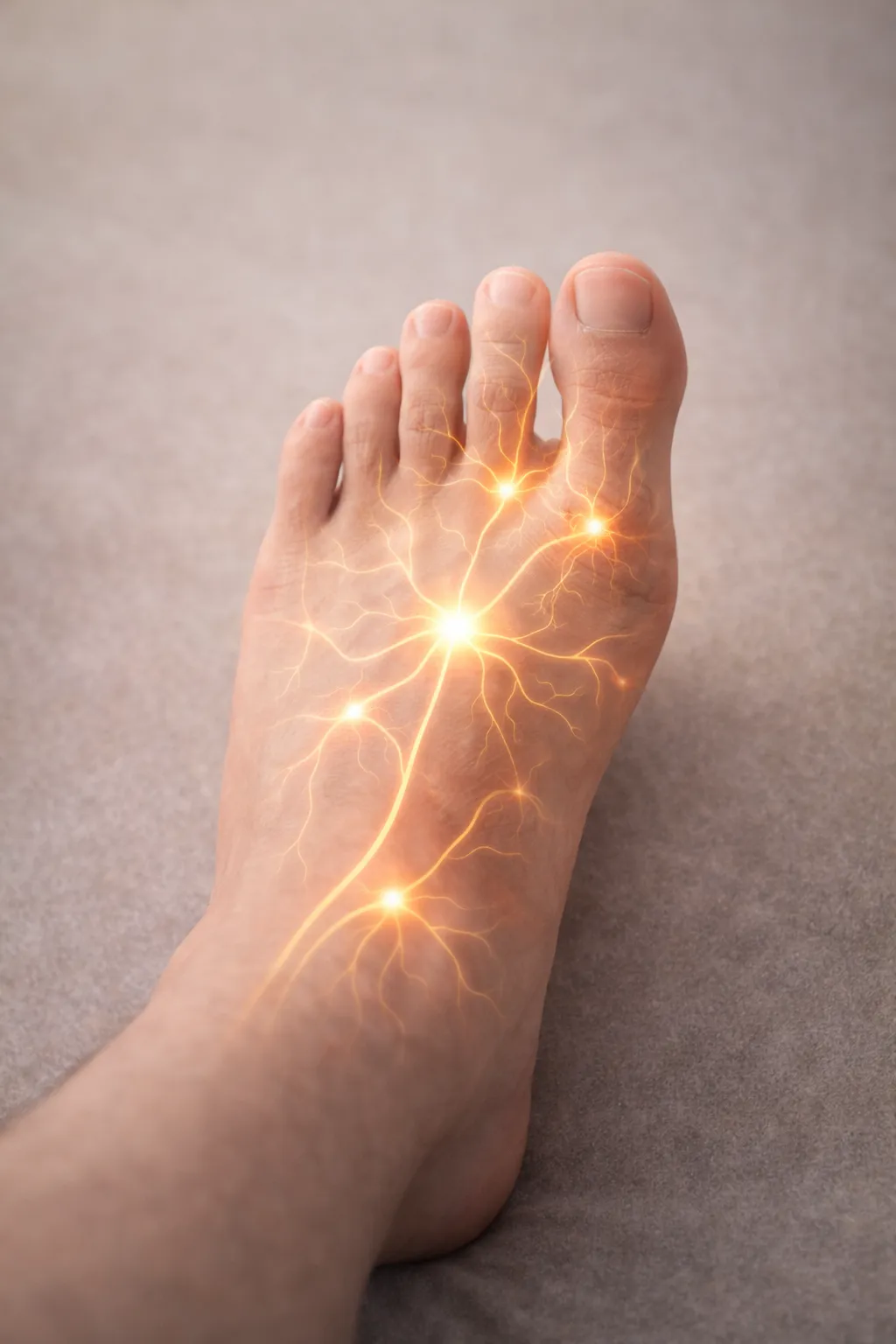
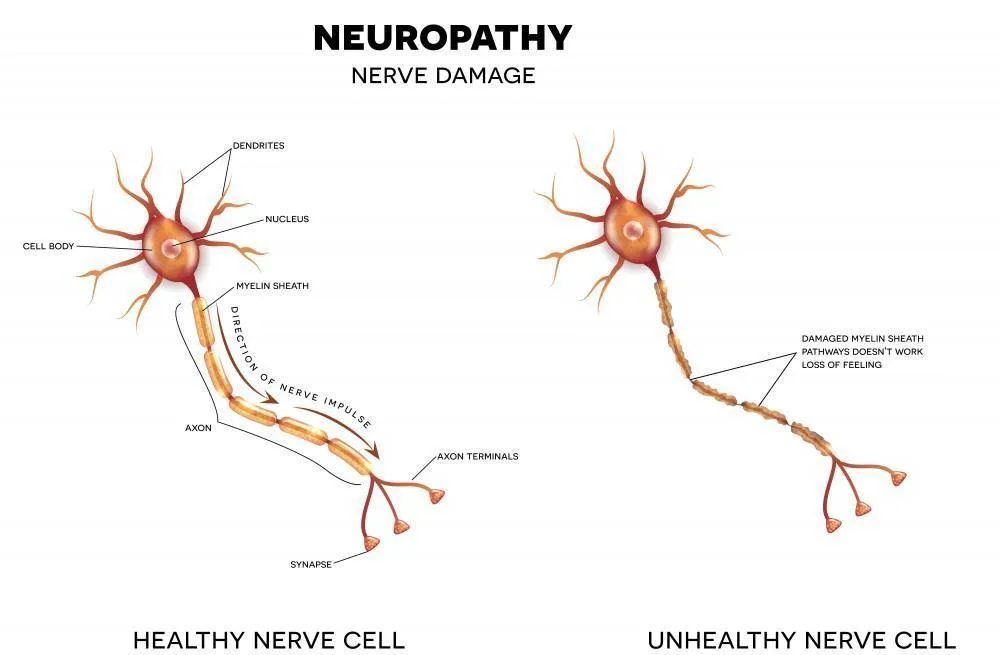
Our Approach to Neuropathy
Your Neuropathy Evaluation Includes:
✔ Private consultation to understand your history
✔ Neuropathy-focused exam & functional testing
✔ Review of contributing lifestyle & mechanical stressors
✔ Time to get your questions answered
✔ A clear explanation of findings
✔ Personalized recommendations — only if appropriate
If we don’t believe we can help — we’ll tell you- and we won't be able to accept you as a patient.
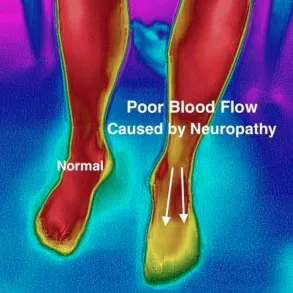
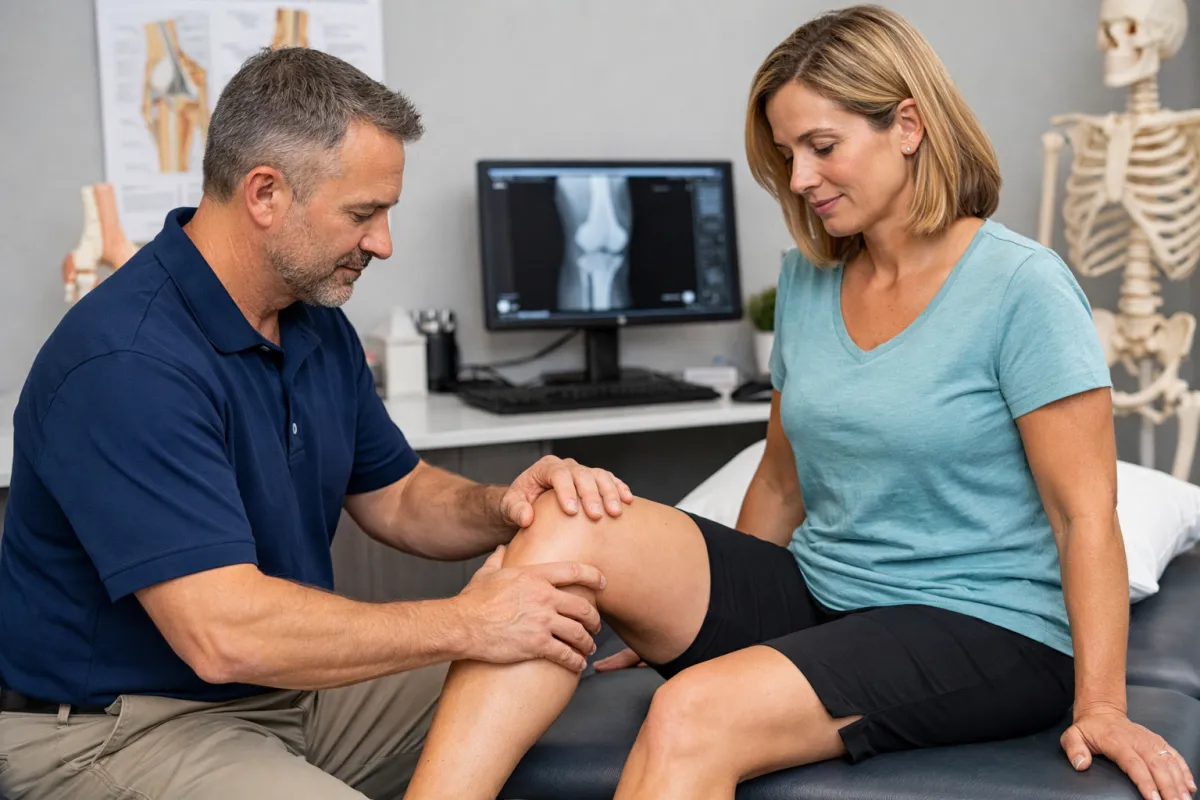
We Do Things Differently
Instead of masking symptoms, our goal is to identify what may be contributing to your nerve irritation and poor circulation, and apply targeted therapies designed to support:
✔ Nerve circulation
✔ Tissue healing environment
✔ Healthy nerve signaling
✔ Mobility & joint function
✔ Reduced stress on affected areas
Typical care plans may include a combination of:
• Gentle neuropathy-focused therapies
• Laser/light therapy
• Shockwave where appropriate
• Structural & movement-based care
• Home-care guidance
• Lifestyle and supportive recommendations
We do not prescribe medications and we do not replace your neurologist or primary care physician. Our role is supportive, conservative care.
Class 4 Laser Treatment
We do not claim to cure neuropathy.
Many patients report improvement in areas such as:
Comfort and mobility
Sleep quality
Stability and balance
Functional ability & confidence
Results vary depending on severity, duration, and overall health.
Neuropathy Isn’t “Just Part of Aging”
Many patients are told nothing can be done — or they must simply “live with it.”
That may not be the case.
While not every case of neuropathy can be reversed, there are many patients who experience meaningful improvement in comfort, mobility, and quality of life with the right plan.
Early care matters — nerves heal slowly.
Related Articles
Plantar Fasciitis Treatment in Evansville, IN
Plantar Fasciitis Treatment in Evansville, IN: Non-Surgical Options for Persistent Heel Pain
Plantar fasciitis is one of the most common causes of heel and foot pain among Evansville residents. For many people, the discomfort is most noticeable with the first steps in the morning or after long periods of standing, walking, or working on their feet.
If you live in Evansville or the surrounding area and have been struggling with ongoing heel pain, you may have been told to stretch more, rest, or consider injections. While these approaches can help some people, they don’t always address why plantar fasciitis keeps returning. We are able to help at Lobacz Chiropractic.
Fortunately, non-surgical options are available that focus on tissue healing and long-term foot function.
What Is Plantar Fasciitis?
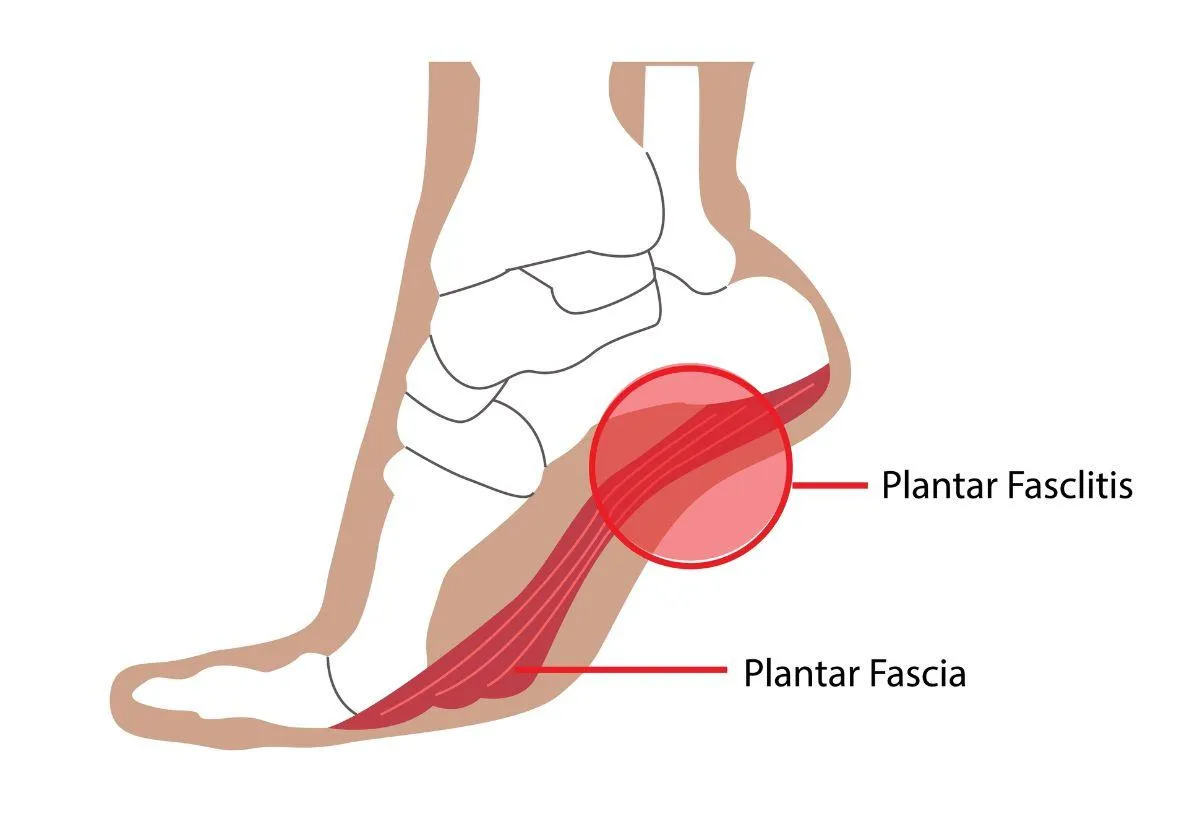
Plantar fasciitis involves irritation or degeneration of the plantar fascia—a thick band of connective tissue that runs along the bottom of the foot from the heel to the toes.
This tissue plays a major role in:
Supporting the arch of the foot
Absorbing shock during walking and standing
Stabilizing movement
When the plantar fascia becomes overstressed or damaged, it can lead to persistent heel pain and stiffness.
Why Plantar Fasciitis Is Common in Evansville and Surrounding Areas
In Southwestern Indiana and nearby communities, plantar fasciitis often develops due to a combination of lifestyle and biomechanical factors, including:
Prolonged standing or walking for work
Hard surfaces and concrete floors
Improper footwear or worn-out shoes
Limited ankle mobility or poor foot mechanics
Tight calf muscles or Achilles tendon tension
Over time, these factors place repeated strain on the plantar fascia, making it difficult for the tissue to heal on its own.
Why Rest and Stretching Don’t Always Fix Heel Pain
Many people try home remedies such as stretching, icing, night splints, or orthotics. While these may temporarily reduce symptoms, they often don’t resolve the underlying tissue breakdown or circulation issues contributing to plantar fasciitis.
This is why some Evansville patients experience heel pain that lasts for months—or even years—despite doing “everything right.”
Common Treatments for Plantar Fasciitis (and Their Limitations)
Traditional approaches often include:
Anti-inflammatory medications
Cortisone injections
Physical therapy
Custom orthotics
Recommendations for surgery in severe cases
While these methods may provide relief for some individuals, they do not always promote long-term tissue healing or restore normal foot function.
As a result, many people seek conservative, non-surgical alternatives.
Non-Surgical Plantar Fasciitis Treatment Options in Evansville
Modern conservative care focuses on improving circulation, reducing tissue stress, and supporting the body’s natural repair processes.
Some non-surgical options that may help include:
Shockwave Therapy
Shockwave therapy applies acoustic waves to the injured tissue. This approach is designed to stimulate blood flow, encourage tissue regeneration, and support healing in chronic plantar fasciitis cases.
Shockwave therapy is commonly used when heel pain has not responded well to rest or traditional care.
Laser Therapy
High-intensity laser therapy is used to support cellular activity, reduce inflammation, and help calm pain signals in the foot. It is non-invasive and often used alongside other conservative treatments.
Biomechanical and Chiropractic Care
Addressing foot, ankle, and lower-extremity mechanics can reduce abnormal stress on the plantar fascia. Improving joint motion and alignment may help decrease strain and support recovery.
When to Seek Evaluation for Heel or Foot Pain
You may want to seek a professional evaluation if:
Heel pain persists longer than a few weeks
Pain is worst in the morning or after rest
Symptoms return despite stretching or orthotics
Foot pain limits work, exercise, or daily activities
A comprehensive evaluation can help determine whether non-surgical care is appropriate for your condition. Getting started today with Lobacz Chiropractic.
Plantar Fasciitis Help for Evansville and Nearby Communities
If you live in Evansville, Newburgh, Henderson, or surrounding areas and are dealing with ongoing heel pain, conservative care may offer an alternative to injections or surgery. We are here to help at Lobacz Chiropractic.
The goal is to support healing, improve mobility, and help you stay active without relying on invasive procedures.
Take the Next Step
If plantar fasciitis is interfering with your daily life, an evaluation can help identify the contributing factors and determine what non-surgical options may be appropriate for you. Lobacz Chiropractic is ready to help you take your next steps.
FAQs
Quick Answers to Your Neuropathy Questions
Can neuropathy really improve without surgery or injections?
In some cases, yes. Neuropathy improvement depends on whether the nerves are capable of responding to increased circulation and stimulation. Our care is designed to support nerve function, not simply mask symptoms.
Why does neuropathy care require multiple visits?
Nerves heal slowly and require repeated stimulation over time. One or two treatments do not provide sufficient cumulative effect for nerve adaptation or repair.
Why don’t you offer single neuropathy treatments?
Single visits do not allow for proper laser dosing, monitoring, or clinical decision-making. Neuropathy care must be program-based to be effective and ethical.
Do you accept every neuropathy case?
No. Some cases are not appropriate for this type of care. We prioritize honesty over optimism.
How often are visits recommended?
Most neuropathy patients are treated twice per week. Less frequent care often fails to produce meaningful improvement.
How long before I notice changes?
Some patients notice early symptom changes within the first few weeks. Others experience more subtle changes initially. Improvement timelines vary based on severity, duration, and overall health.
What if I don’t improve?
If objective or subjective improvement is not observed, care is discontinued and other options are discussed. We do not continue care without evidence of benefit.
Is this covered by insurance?
Neuropathy programs are typically not covered by insurance. Care is provided on a cash basis due to its specialized, non-surgical nature.
Join Our FREE Neuropathy Workshop
✔️ Educational only
✔️ No pressure or obligation
✔️ Limited seating available
“Lobacz Chiropractic is a specialty chiropractic clinic in Evansville, Indiana focused on non-surgical care for knee pain, neuropathy, and chronic joint conditions using shockwave and laser therapy.”
Contact Us
812-401-0994
4910 Temple Ave
Evansville IN 47715