
Lobacz Chiropractic is a specialty chiropractic clinic in Evansville, Indiana focused on non-surgical care for knee pain, neuropathy, and chronic joint conditions using shockwave and laser therapy.”
Relief From Burning, Tingling, and Numbness — Without Relying Only on Medications
If nerve discomfort in your feet or hands is affecting your sleep, balance, mobility, or independence — you’re not alone.
Many people live with neuropathy symptoms for years without real answers.
Our clinic offers a conservative, non-surgical approach focused on improving nerve function, mobility, and quality of life.
We offer a Specialist Evaluation & Trial Session.
Our practice operates on a selective model.
Your first visit functions as a trial of care, allowing both you and our doctor to determine whether our methods are the right fit for your condition.
Ongoing care is offered by invitation only, based on clinical findings and your response to treatment.
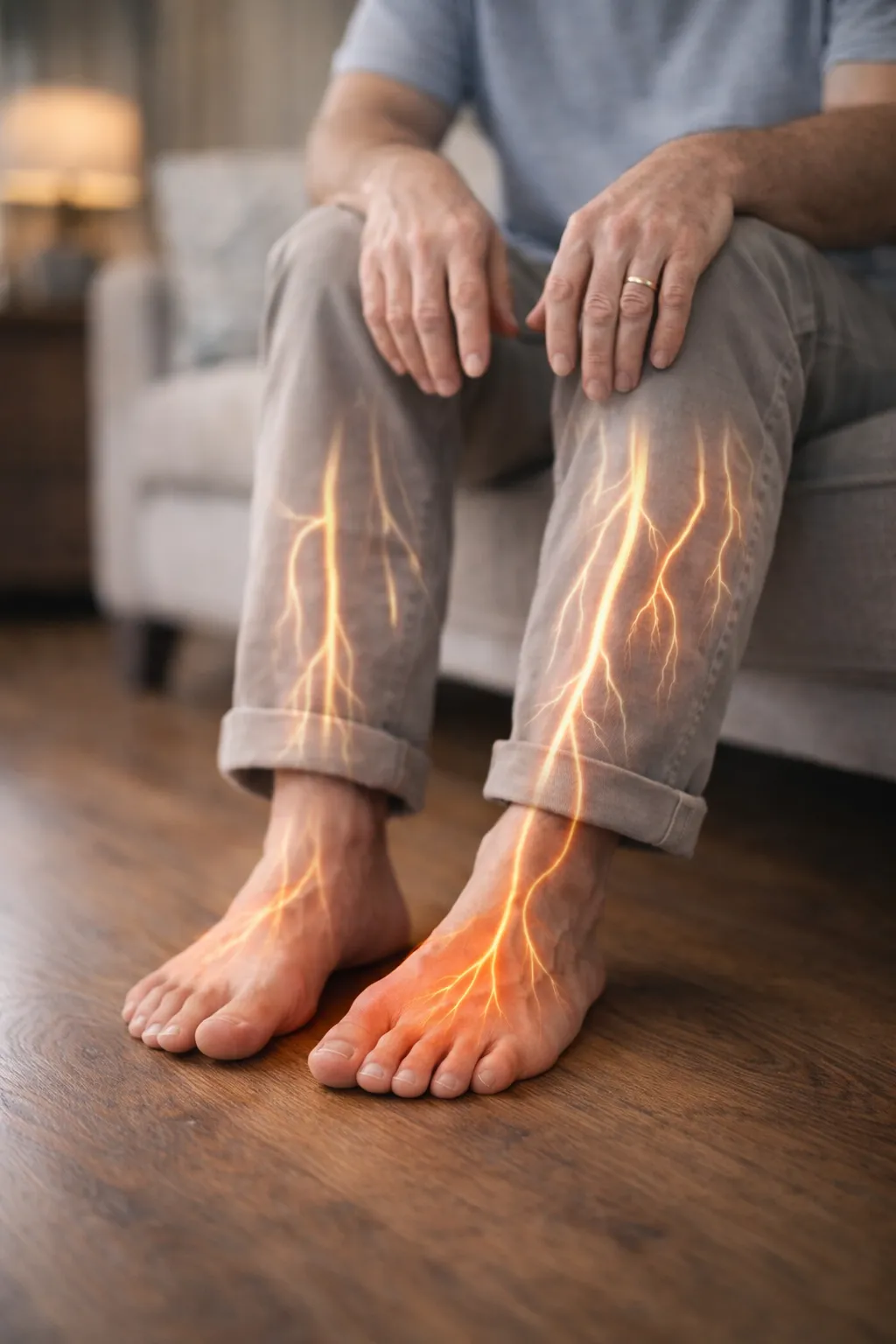
Do Any of These Sound Familiar?
You may be experiencing:
Burning or tingling in your feet or hands
Numbness or “walking on cotton balls” sensation
Cramping, weakness, or loss of balance
Sharp electric-like pains
Restless legs or night-time discomfort
Cold or hypersensitive feet
Difficulty standing or walking long distances
If you’re tired of being told “there’s nothing more we can do,” there are still options to explore.
What Causes Neuropathy?
Neuropathy has many potential causes, including:
Diabetes & pre-diabetes
Poor circulation
Nerve compression or spinal irritation
Autoimmune conditions
Vitamin deficiencies
Medication side effects
Chemotherapy
Injury or trauma
Alcohol overuse
Unknown (Idiopathic)
That’s why a proper evaluation matters — because your care should be based on your unique situation.
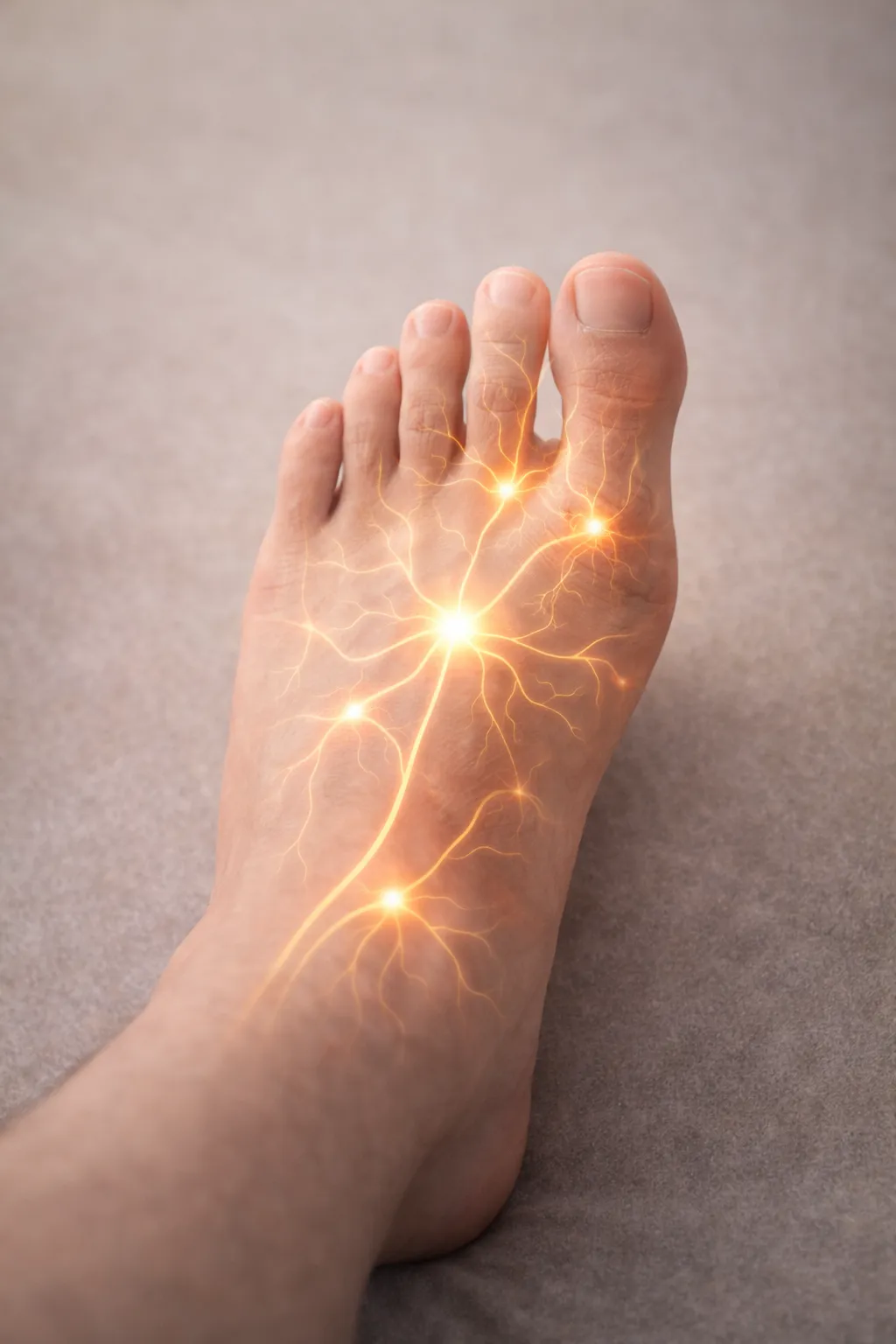
Our Approach to Neuropathy
Your Neuropathy Evaluation Includes:
✔ Private consultation to understand your history
✔ Neuropathy-focused exam & functional testing
✔ Review of contributing lifestyle & mechanical stressors
✔ Time to get your questions answered
✔ A clear explanation of findings
✔ Personalized recommendations — only if appropriate
If we don’t believe we can help — we’ll tell you- and we won't be able to accept you as a patient.
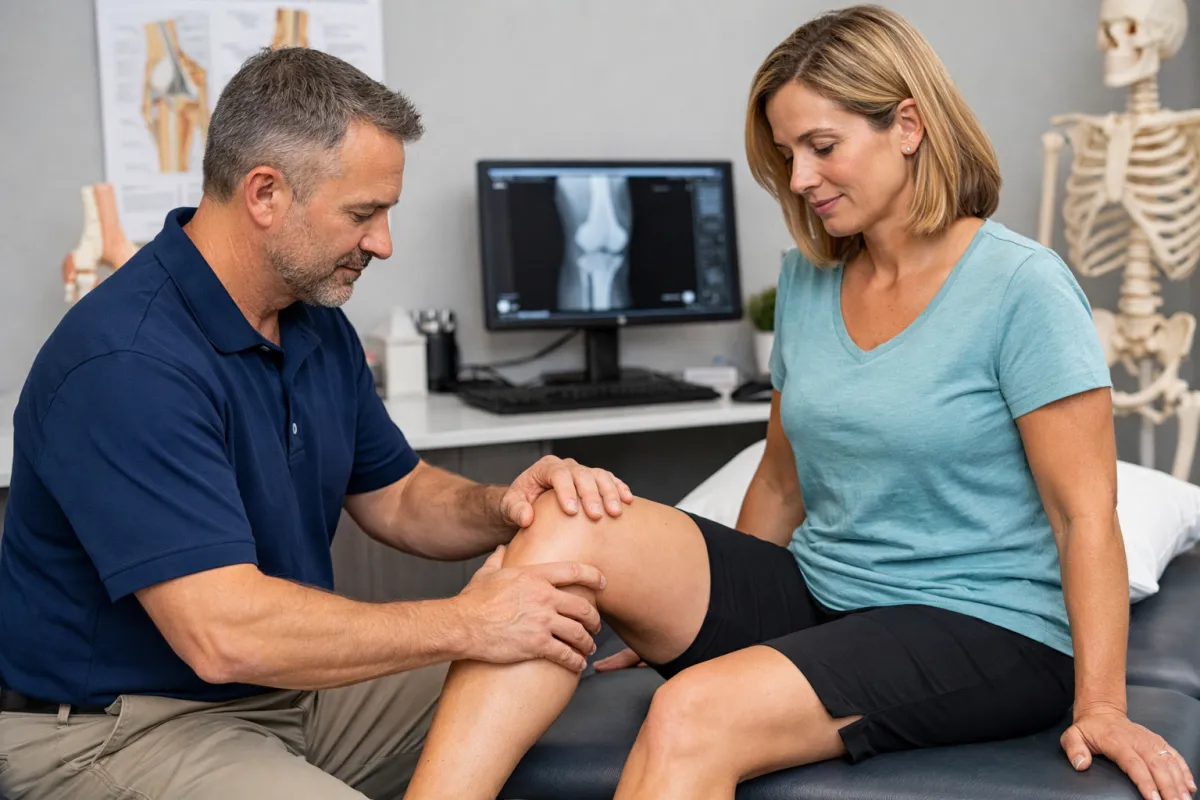
We Do Things Differently
Instead of masking symptoms, our goal is to identify what may be contributing to your nerve irritation and poor circulation, and apply targeted therapies designed to support:
✔ Nerve circulation
✔ Tissue healing environment
✔ Healthy nerve signaling
✔ Mobility & joint function
✔ Reduced stress on affected areas
Typical care plans may include a combination of:
• Gentle neuropathy-focused therapies
• Laser/light therapy
• Shockwave where appropriate
• Structural & movement-based care
• Home-care guidance
• Lifestyle and supportive recommendations
We do not prescribe medications and we do not replace your neurologist or primary care physician. Our role is supportive, conservative care.
Class 4 Laser Treatment
We do not claim to cure neuropathy.
Many patients report improvement in areas such as:
Comfort and mobility
Sleep quality
Stability and balance
Functional ability & confidence
Results vary depending on severity, duration, and overall health.
Neuropathy Isn’t “Just Part of Aging”
Many patients are told nothing can be done — or they must simply “live with it.”
That may not be the case.
While not every case of neuropathy can be reversed, there are many patients who experience meaningful improvement in comfort, mobility, and quality of life with the right plan.
Early care matters — nerves heal slowly.
Related Articles

Neuropathy Treatment in Evansville, IN: Exploring Non-Surgical Options for Nerve Pain
Neuropathy Treatment in Evansville, IN: Exploring Non-Surgical Options for Nerve Pain
Neuropathy can be a frustrating and life-altering condition for many Evansville residents. Symptoms such as burning, tingling, numbness, weakness, or sharp nerve pain in the feet, legs, hands, or arms can make everyday activities uncomfortable or even unbearable. We're able to help at Lobacz Chiropractic.
For many people, neuropathy symptoms persist despite medications or traditional care. While drugs may help manage symptoms temporarily, they do not always address the underlying nerve health or circulation issues contributing to the condition.
As a result, many individuals in Evansville and surrounding communities are seeking conservative, non-surgical approaches that focus on nerve support and long-term function.
What Is Neuropathy?
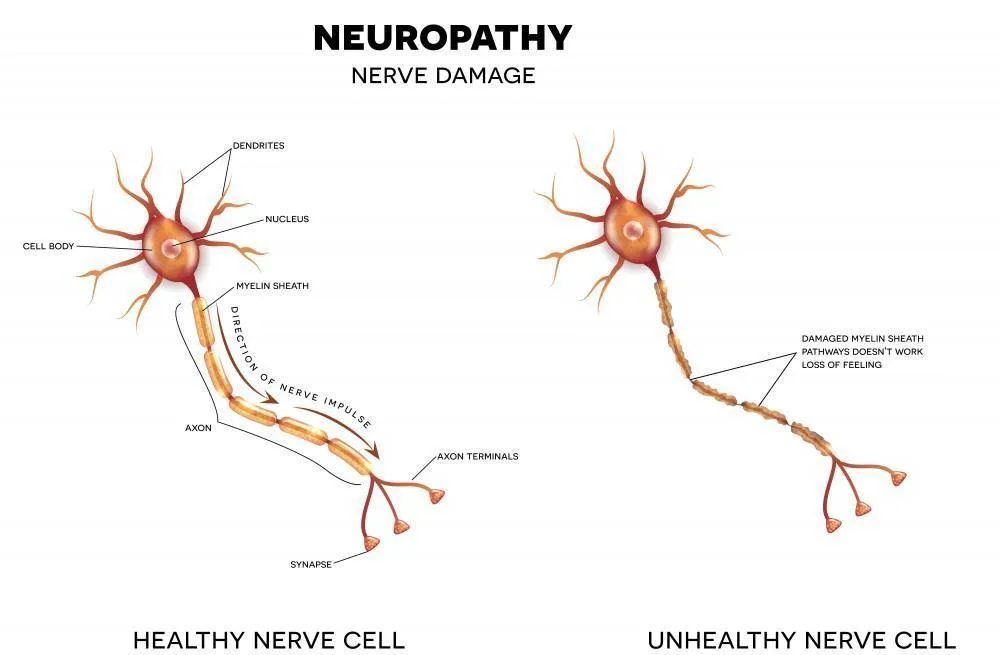
Neuropathy refers to damage or dysfunction of the peripheral nerves—those outside the brain and spinal cord. These nerves are responsible for sensation, movement, and communication between the body and the nervous system.
When nerves are irritated or damaged, symptoms may include:
Tingling or “pins and needles” sensations
Burning or shooting pain
Numbness or reduced sensation
Muscle weakness
Sensitivity to touch
Neuropathy can affect one area or multiple parts of the body and may worsen over time if underlying contributors are not addressed.
Common Causes of Neuropathy
Neuropathy can develop for many reasons, including:
Metabolic or blood sugar issues
Poor circulation
Chronic inflammation
Nerve compression or irritation
Previous injuries or trauma
Certain medications
In many cases, neuropathy is multifactorial, meaning more than one issue contributes to nerve dysfunction.
Why Neuropathy Symptoms Often Persist
One of the challenges with neuropathy is that nerve tissue heals slowly. Reduced blood flow, ongoing inflammation, or mechanical irritation can interfere with the body’s ability to repair damaged nerves.
This is why many Evansville patients report:
Symptoms that gradually worsen
Limited improvement with medication alone
Increasing numbness or balance issues
Difficulty sleeping due to nerve pain
Treatments focused only on symptom suppression may not adequately support nerve recovery.
Common Neuropathy Treatments (and Their Limitations)
Traditional approaches to neuropathy often include:
Prescription medications
Pain management strategies
Lifestyle modifications
Monitoring progression
While medications may help reduce discomfort, they do not always improve nerve health or function. Some individuals also experience side effects that limit long-term use.
Because of this, many people explore conservative, non-drug options designed to support circulation, nerve signaling, and tissue health.
Non-Surgical Neuropathy Treatment Options in Evansville
Conservative care for neuropathy focuses on improving the environment in which nerves function and heal.
Some non-surgical options that may be considered include:
Shockwave Therapy
Shockwave therapy uses acoustic waves applied to targeted areas to help stimulate circulation and cellular activity. Improved blood flow may help support nerve health and tissue repair in certain neuropathy cases.
Laser Therapy
High-intensity laser therapy is used to support cellular function, reduce inflammation, and help calm nerve irritation. It is non-invasive and often comfortable for patients.
Chiropractic and Neuromusculoskeletal Care
Improving spinal and joint mechanics may help reduce nerve irritation or compression. When the nervous system and musculoskeletal system function optimally, nerve signaling may improve.
When to Seek Evaluation for Neuropathy Symptoms
You may want to seek professional evaluation if:
Numbness or tingling is worsening
Pain interferes with sleep or daily activities
Balance or coordination is affected
Symptoms persist despite medication
Neuropathy is limiting quality of life
A comprehensive evaluation can help determine whether conservative, non-surgical care may be appropriate for your situation. We're able to help you get started on a comprehensive exam at Lobacz Chiropractic.
Neuropathy Help for Evansville and Nearby Communities
If you live in Evansville, Newburgh, Henderson, or the surrounding area and are struggling with neuropathy symptoms, non-surgical options may offer an alternative to medication-only management.
The goal of conservative care is to support nerve health, improve comfort, and help you maintain independence and daily function—without invasive procedures.
Take the Next Step
If neuropathy symptoms are affecting your daily life, an evaluation can help identify contributing factors and determine which non-surgical options may be appropriate for your condition. A Neuropathy exam will help you in taking your next steps.
FAQs
Quick Answers to Your Neuropathy Questions
Can neuropathy really improve without surgery or injections?
In some cases, yes. Neuropathy improvement depends on whether the nerves are capable of responding to increased circulation and stimulation. Our care is designed to support nerve function, not simply mask symptoms.
Why does neuropathy care require multiple visits?
Nerves heal slowly and require repeated stimulation over time. One or two treatments do not provide sufficient cumulative effect for nerve adaptation or repair.
Why don’t you offer single neuropathy treatments?
Single visits do not allow for proper laser dosing, monitoring, or clinical decision-making. Neuropathy care must be program-based to be effective and ethical.
Do you accept every neuropathy case?
No. Some cases are not appropriate for this type of care. We prioritize honesty over optimism.
How often are visits recommended?
Most neuropathy patients are treated twice per week. Less frequent care often fails to produce meaningful improvement.
How long before I notice changes?
Some patients notice early symptom changes within the first few weeks. Others experience more subtle changes initially. Improvement timelines vary based on severity, duration, and overall health.
What if I don’t improve?
If objective or subjective improvement is not observed, care is discontinued and other options are discussed. We do not continue care without evidence of benefit.
Is this covered by insurance?
Neuropathy programs are typically not covered by insurance. Care is provided on a cash basis due to its specialized, non-surgical nature.
Join Our FREE Neuropathy Workshop
✔️ Educational only
✔️ No pressure or obligation
✔️ Limited seating available
“Lobacz Chiropractic is a specialty chiropractic clinic in Evansville, Indiana focused on non-surgical care for knee pain, neuropathy, and chronic joint conditions using shockwave and laser therapy.”
Contact Us
812-401-0994
4910 Temple Ave
Evansville IN 47715