
A Unique approach to Plantar Fasciitis Pain in Evansville Indiana...
Unlock a Pain-Free Life:
Discover Plantar Fasciitis Relief is possible.
We offer a Specialist Evaluation & Trial Session.
Our practice operates on a selective model.
Your first visit functions as a trial of care, allowing both you and our doctor to determine whether our methods are the right fit for your condition.
Ongoing care is offered by invitation only, based on clinical findings and your response to treatment.

Explore Our Tailored Plantar Fasciitis Treatment Options
Experience targeted relief with our tailored plantar fasciitis treatments, designed to restore mobility and eliminate pain through advanced techniques and personalized care plans.
Explore Our Healing Services for Foot Pain Relief
Explore Targeted Treatments for Lasting Foot and Heel Pain Relief.

Comprehensive Foot and Heel Assessments
Customized Foot Assessments: Thorough diagnostic evaluation to tailor a specific and effective treatment plan for each patient's unique foot condition.
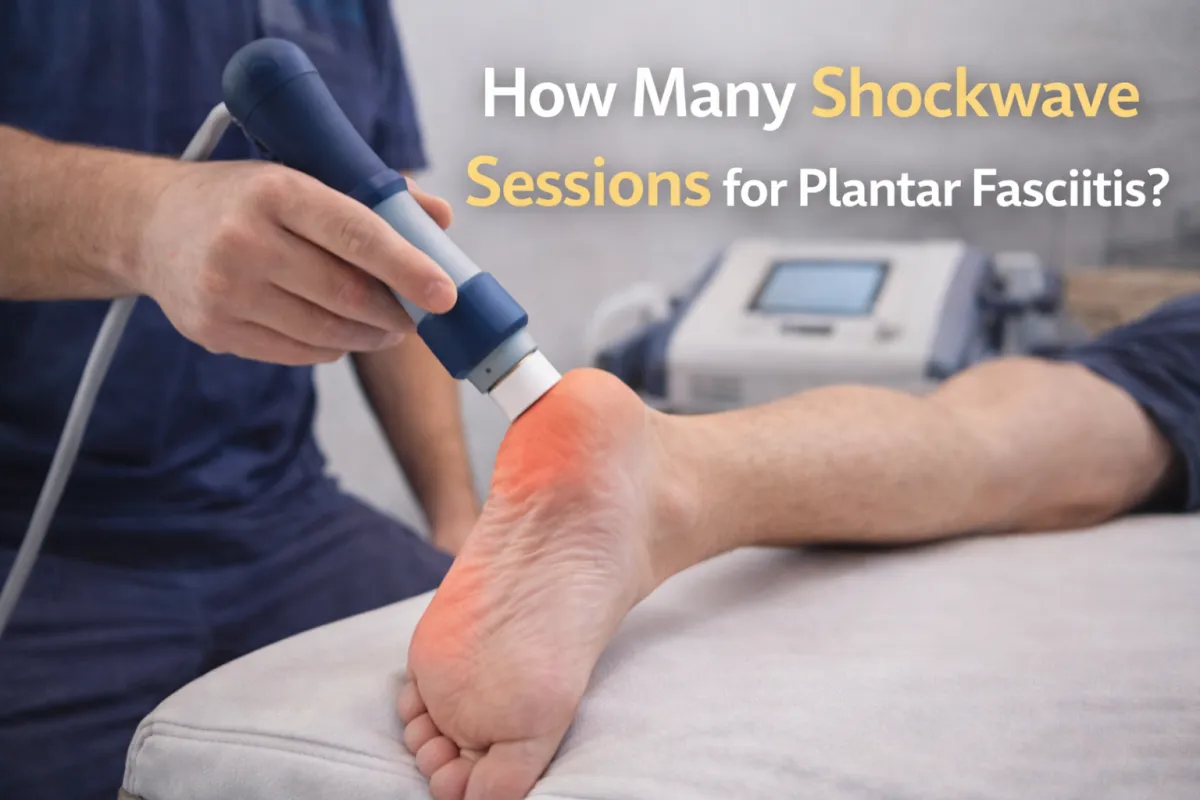
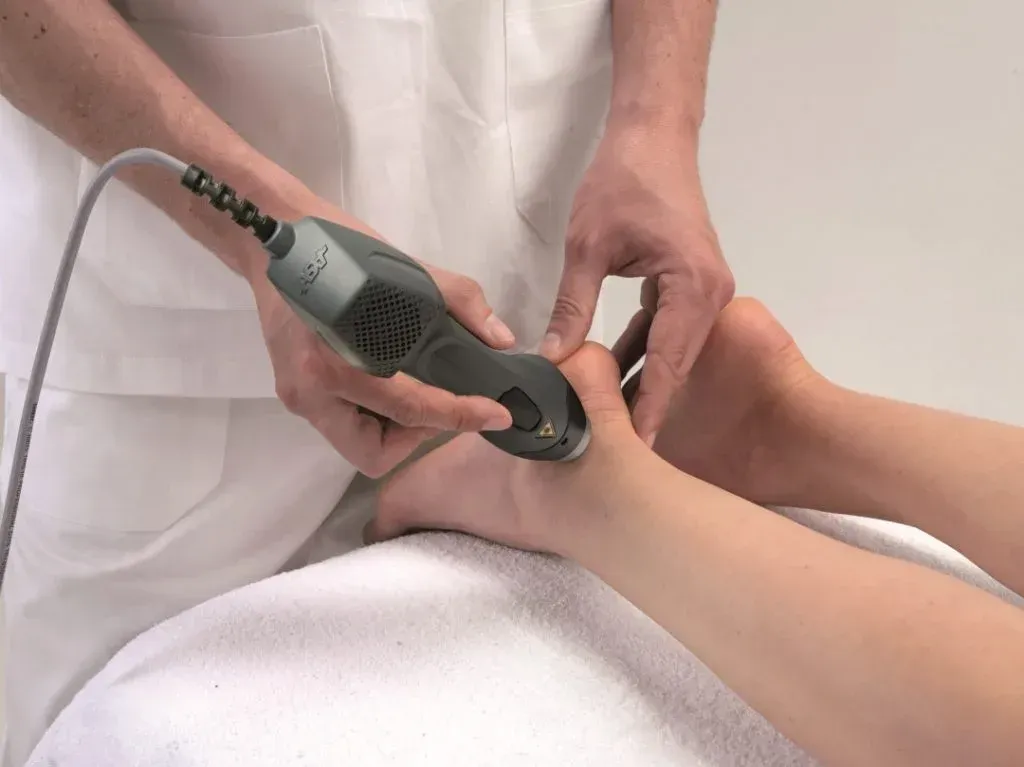
Shockwave Therapy Now Available in Evansville Indiana
Shockwave Therapy helps break up adhesions in the plantar fascia, and bring blood to the area. Typically patients feel some relief after the first treatment
Class 4 Laser Treatment
Laser treatment helps with inflammation and pain signals. It is non-invasive and very comfortable to the patient.
Related Articles
Shockwave Therapy vs Injections in Evansville, IN: Comparing Non-Surgical Pain Treatment Options
Shockwave Therapy vs Injections in Evansville, IN: Comparing Non-Surgical Pain Treatment Options
Many Evansville residents dealing with chronic joint or soft tissue pain eventually face a difficult decision. After weeks or months of discomfort, the conversation often turns to injections—such as cortisone—or the possibility of surgery.
Before taking that step, it’s important to understand all available options. Two commonly discussed non-surgical approaches are shockwave therapy and injections. While both aim to reduce pain, they work in very different ways. Start your shockwave therapy at Lobacz Chiropractic.
Understanding these differences can help you make a more informed decision about your care.
Why Injections Are Commonly Recommended
Injections are often suggested because they can provide relatively fast symptom relief. Depending on the type, injections may:
Reduce inflammation
Temporarily block pain signals
Decrease swelling in irritated tissue
For some people in Evansville, injections offer short-term improvement, especially when pain is severe.
However, injections are primarily symptom-focused and do not always address the underlying tissue health or mechanical issues contributing to pain.
Limitations of Injections
While injections can be helpful in certain situations, they may also have limitations, including:
Temporary relief rather than long-term improvement
Repeated injections often needed
Potential weakening of soft tissues over time
Activity restrictions following the procedure
For individuals seeking a more conservative, tissue-focused approach, injections may not always align with long-term goals.
What Is Shockwave Therapy?
Shockwave therapy is a non-invasive treatment that uses acoustic (sound) waves applied directly to injured or degenerated tissue. The goal is to support circulation, stimulate cellular activity, and encourage the body’s natural repair processes.
Shockwave therapy is commonly used for conditions such as:
Chronic knee pain
Plantar fasciitis and heel pain
Shoulder and rotator cuff-related pain
Tendon and soft tissue injuries
It is often considered when pain has persisted despite rest, physical therapy, or other conservative care.
How Shockwave Therapy Differs From Injections
The key difference between shockwave therapy and injections is how they address pain.
Injections:
Aim to reduce inflammation or block pain
Often provide temporary symptom relief
Do not directly stimulate tissue healing
Shockwave Therapy:
Focuses on improving tissue health
Encourages circulation and cellular repair
Designed to address chronic tissue irritation
Because of this difference, many Evansville patients explore shockwave therapy as an alternative to repeated injections.
Comparing Recovery and Downtime
Another important consideration is recovery time.
Injections may require rest or activity modification afterward.
Shockwave therapy typically allows patients to remain active during care, with minimal downtime.
This makes shockwave therapy appealing for individuals who want to continue working or staying active during treatment.
Which Option Is Right for You?
The right approach depends on several factors, including:
The type and duration of your pain
Previous treatments you’ve tried
Your activity level and goals
Your preference for conservative care
Some patients may benefit from injections, while others prefer to explore non-invasive options like shockwave therapy first.
A comprehensive evaluation can help determine which approach may be most appropriate for your condition. Get your evaluation started at Lobacz Chiropractic.
Non-Surgical Pain Treatment Options in Evansville
If you live in Evansville, Newburgh, Henderson, or nearby communities and are dealing with chronic joint or soft tissue pain, it’s important to understand all available non-surgical options.
Conservative care focuses on supporting healing, improving mobility, and reducing reliance on invasive procedures whenever possible.
Take the Next Step
If you’re unsure whether injections or shockwave therapy are right for you, an evaluation can help identify the underlying contributors to your pain and determine which approach aligns best with your goals. We're here to help your on taking your next steps with Lobacz Chiropractic.
Testimonials
FAQs
Quick Answers to Your Foot Pain Queries
What exactly is plantar fasciitis?
Plantar fasciitis is an inflammation of the plantar fascia, the tissue connecting the heel to toe.
Who is at risk for developing plantar fasciitis?
It is more common in runners, overweight individuals, and those with inadequate footwear.
What are the symptoms of plantar fasciitis?
The most common symptom is a stabbing pain in the bottom of the foot near the heel.
How is plantar fasciitis treated at your clinic?
Treatment includes manual therapy, orthotics, rehabilitative exercises, and sometimes modalities like shockwave or laser therapy. We focus on reducing pain, decreasing inflammation, and restoring foot function.
How is plantar fasciitis treated at your clinic
Treatment includes manual therapy, orthotics, rehabilitative exercises, and sometimes additional modalities like shockwave or laser therapy. We focus on reducing pain, decreasing inflammation, and restoring foot function.
Can plantar fasciitis come back, and how can I prevent it?
Yes, it can recur. Prevent it with proper footwear, maintaining healthy weight, and regular foot exercises.
Contact Us
(812) 401-0994
4910 Temple Ave
Evansville IN 47715