
A Unique approach to Plantar Fasciitis Pain in Evansville Indiana...
Unlock a Pain-Free Life:
Discover Plantar Fasciitis Relief is possible.
We offer a Specialist Evaluation & Trial Session.
Our practice operates on a selective model.
Your first visit functions as a trial of care, allowing both you and our doctor to determine whether our methods are the right fit for your condition.
Ongoing care is offered by invitation only, based on clinical findings and your response to treatment.

Explore Our Tailored Plantar Fasciitis Treatment Options
Experience targeted relief with our tailored plantar fasciitis treatments, designed to restore mobility and eliminate pain through advanced techniques and personalized care plans.
Explore Our Healing Services for Foot Pain Relief
Explore Targeted Treatments for Lasting Foot and Heel Pain Relief.

Comprehensive Foot and Heel Assessments
Customized Foot Assessments: Thorough diagnostic evaluation to tailor a specific and effective treatment plan for each patient's unique foot condition.
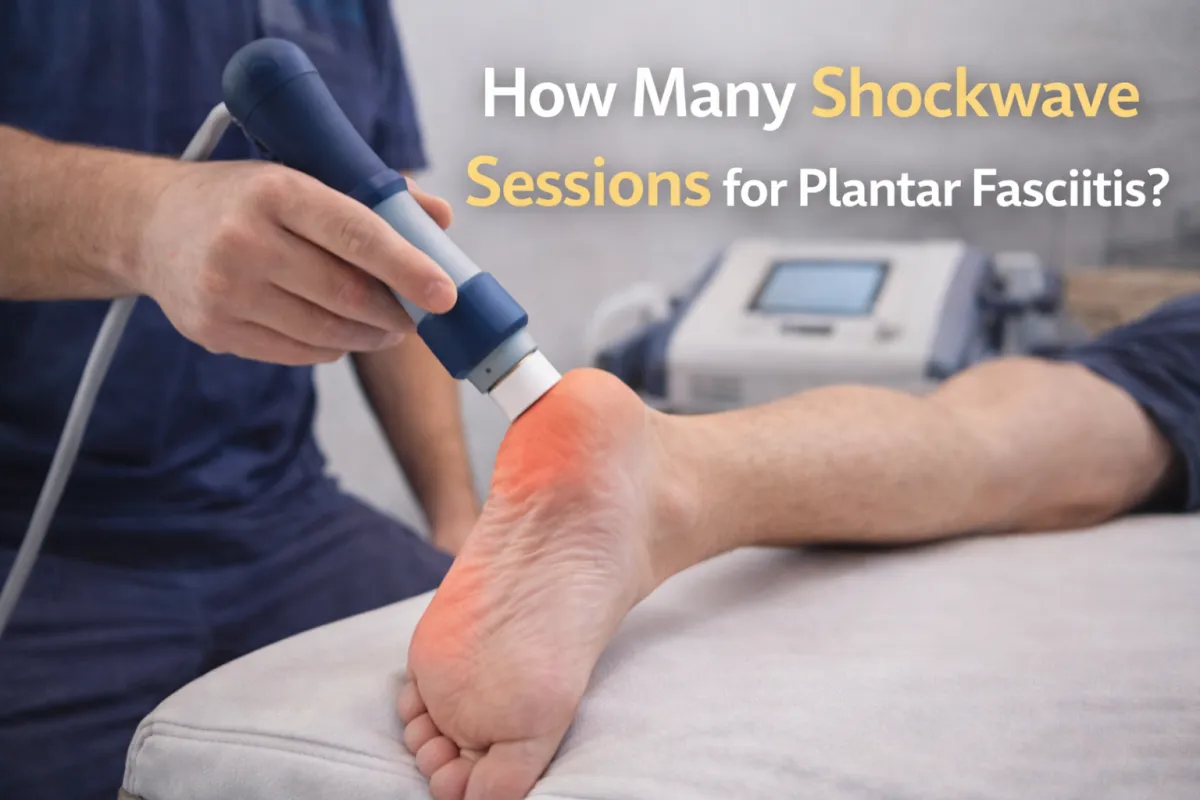
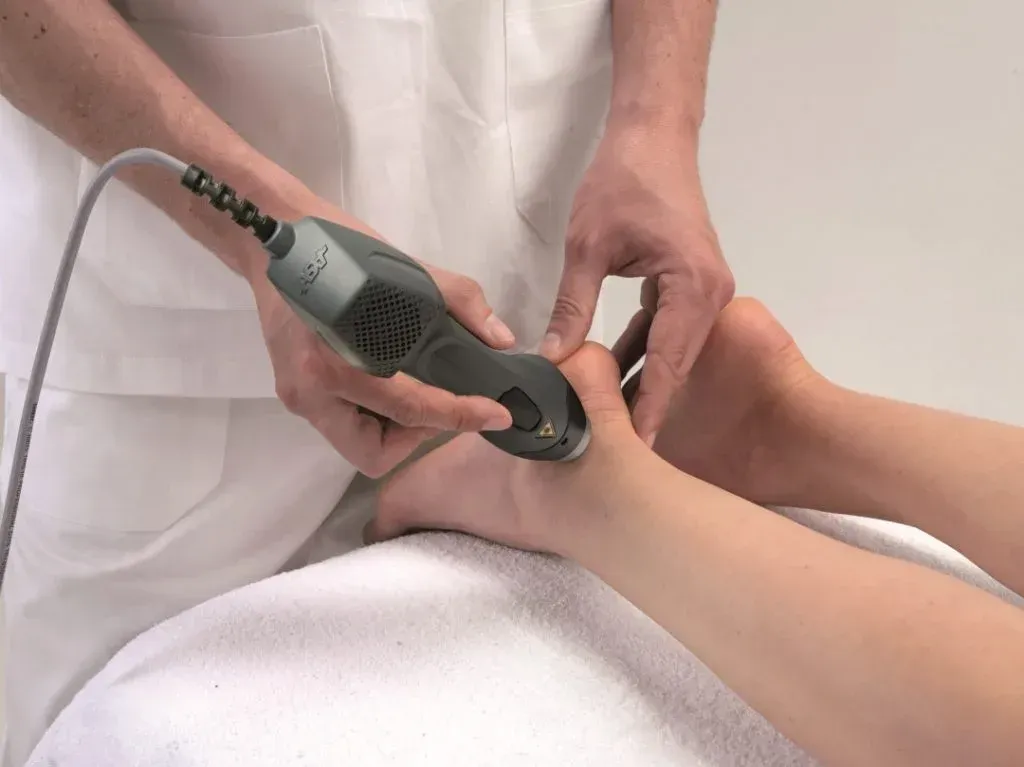
Shockwave Therapy Now Available in Evansville Indiana
Shockwave Therapy helps break up adhesions in the plantar fascia, and bring blood to the area. Typically patients feel some relief after the first treatment
Class 4 Laser Treatment
Laser treatment helps with inflammation and pain signals. It is non-invasive and very comfortable to the patient.
Related Articles
Plantar Fasciitis Treatment in Evansville, IN
Plantar Fasciitis Treatment in Evansville, IN: Non-Surgical Options for Persistent Heel Pain
Plantar fasciitis is one of the most common causes of heel and foot pain among Evansville residents. For many people, the discomfort is most noticeable with the first steps in the morning or after long periods of standing, walking, or working on their feet.
If you live in Evansville or the surrounding area and have been struggling with ongoing heel pain, you may have been told to stretch more, rest, or consider injections. While these approaches can help some people, they don’t always address why plantar fasciitis keeps returning. We are able to help at Lobacz Chiropractic.
Fortunately, non-surgical options are available that focus on tissue healing and long-term foot function.
What Is Plantar Fasciitis?
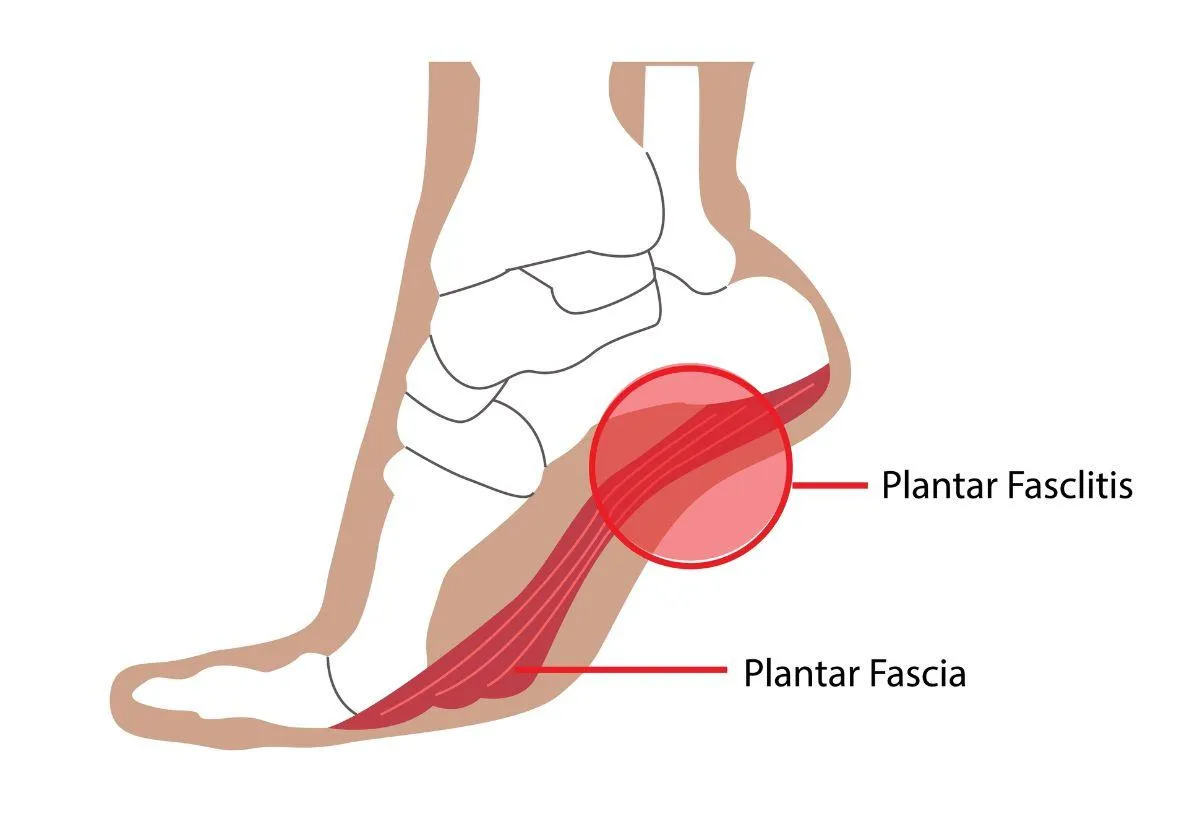
Plantar fasciitis involves irritation or degeneration of the plantar fascia—a thick band of connective tissue that runs along the bottom of the foot from the heel to the toes.
This tissue plays a major role in:
Supporting the arch of the foot
Absorbing shock during walking and standing
Stabilizing movement
When the plantar fascia becomes overstressed or damaged, it can lead to persistent heel pain and stiffness.
Why Plantar Fasciitis Is Common in Evansville and Surrounding Areas
In Southwestern Indiana and nearby communities, plantar fasciitis often develops due to a combination of lifestyle and biomechanical factors, including:
Prolonged standing or walking for work
Hard surfaces and concrete floors
Improper footwear or worn-out shoes
Limited ankle mobility or poor foot mechanics
Tight calf muscles or Achilles tendon tension
Over time, these factors place repeated strain on the plantar fascia, making it difficult for the tissue to heal on its own.
Why Rest and Stretching Don’t Always Fix Heel Pain
Many people try home remedies such as stretching, icing, night splints, or orthotics. While these may temporarily reduce symptoms, they often don’t resolve the underlying tissue breakdown or circulation issues contributing to plantar fasciitis.
This is why some Evansville patients experience heel pain that lasts for months—or even years—despite doing “everything right.”
Common Treatments for Plantar Fasciitis (and Their Limitations)
Traditional approaches often include:
Anti-inflammatory medications
Cortisone injections
Physical therapy
Custom orthotics
Recommendations for surgery in severe cases
While these methods may provide relief for some individuals, they do not always promote long-term tissue healing or restore normal foot function.
As a result, many people seek conservative, non-surgical alternatives.
Non-Surgical Plantar Fasciitis Treatment Options in Evansville
Modern conservative care focuses on improving circulation, reducing tissue stress, and supporting the body’s natural repair processes.
Some non-surgical options that may help include:
Shockwave Therapy
Shockwave therapy applies acoustic waves to the injured tissue. This approach is designed to stimulate blood flow, encourage tissue regeneration, and support healing in chronic plantar fasciitis cases.
Shockwave therapy is commonly used when heel pain has not responded well to rest or traditional care.
Laser Therapy
High-intensity laser therapy is used to support cellular activity, reduce inflammation, and help calm pain signals in the foot. It is non-invasive and often used alongside other conservative treatments.
Biomechanical and Chiropractic Care
Addressing foot, ankle, and lower-extremity mechanics can reduce abnormal stress on the plantar fascia. Improving joint motion and alignment may help decrease strain and support recovery.
When to Seek Evaluation for Heel or Foot Pain
You may want to seek a professional evaluation if:
Heel pain persists longer than a few weeks
Pain is worst in the morning or after rest
Symptoms return despite stretching or orthotics
Foot pain limits work, exercise, or daily activities
A comprehensive evaluation can help determine whether non-surgical care is appropriate for your condition. Getting started today with Lobacz Chiropractic.
Plantar Fasciitis Help for Evansville and Nearby Communities
If you live in Evansville, Newburgh, Henderson, or surrounding areas and are dealing with ongoing heel pain, conservative care may offer an alternative to injections or surgery. We are here to help at Lobacz Chiropractic.
The goal is to support healing, improve mobility, and help you stay active without relying on invasive procedures.
Take the Next Step
If plantar fasciitis is interfering with your daily life, an evaluation can help identify the contributing factors and determine what non-surgical options may be appropriate for you. Lobacz Chiropractic is ready to help you take your next steps.
Testimonials
FAQs
Quick Answers to Your Foot Pain Queries
What exactly is plantar fasciitis?
Plantar fasciitis is an inflammation of the plantar fascia, the tissue connecting the heel to toe.
Who is at risk for developing plantar fasciitis?
It is more common in runners, overweight individuals, and those with inadequate footwear.
What are the symptoms of plantar fasciitis?
The most common symptom is a stabbing pain in the bottom of the foot near the heel.
How is plantar fasciitis treated at your clinic?
Treatment includes manual therapy, orthotics, rehabilitative exercises, and sometimes modalities like shockwave or laser therapy. We focus on reducing pain, decreasing inflammation, and restoring foot function.
How is plantar fasciitis treated at your clinic
Treatment includes manual therapy, orthotics, rehabilitative exercises, and sometimes additional modalities like shockwave or laser therapy. We focus on reducing pain, decreasing inflammation, and restoring foot function.
Can plantar fasciitis come back, and how can I prevent it?
Yes, it can recur. Prevent it with proper footwear, maintaining healthy weight, and regular foot exercises.

Contact Us
(812) 401-0994
4910 Temple Ave
Evansville IN 47715