
Non-Surgical Shoulder Pain Treatment in Newburgh, IN
Helping Patients Avoid Surgery Using Shockwave Therapy, Laser & Targeted Chiropractic Care
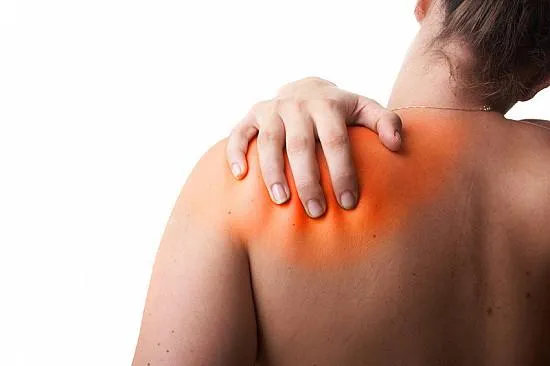
Shoulder Pain
If you live in Newburgh, Indiana, and have been dealing with shoulder pain that just won’t go away, you’re not alone.
For many people in Newburgh, shoulder discomfort doesn’t start with a major injury. It begins gradually — stiffness reaching overhead, aching at night, weakness lifting something simple. It’s not severe enough to justify surgery… but it’s not normal either.
Many residents commute to Evansville for work, spend long hours at a desk, or stay active with weekend activities along the riverfront. Over time, repetitive strain can create shoulder irritation that lingers for months.
At Lobacz Chiropractic, located just minutes from Newburgh, we focus on identifying why shoulder pain persists and helping restore proper movement without injections or surgery whenever possible.
Common Shoulder Conditions We See
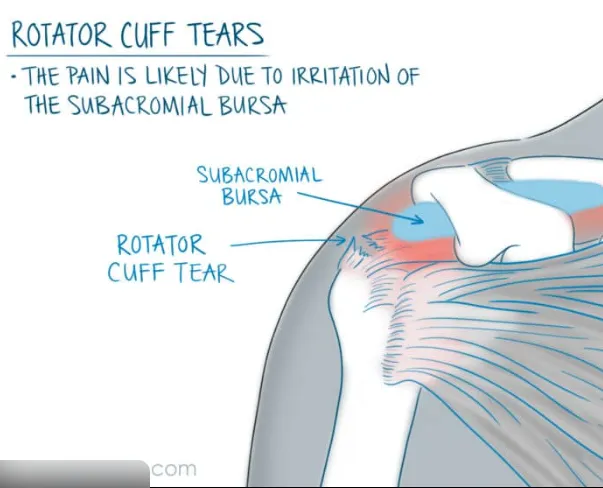
Rotator cuff tendinopathy
Shoulder impingement syndrome
Frozen shoulder (adhesive capsulitis)
Arthritis-related stiffness
Post-injury weakness
If you live in Evansville, Newburgh, or Henderson, and you’ve had shoulder discomfort for weeks or months, you are not alone.
Signs Your Shoulder Problem Needs Attention
Pain reaching overhead
Difficulty putting on a jacket or fastening a bra
Weakness lifting objects
Pain that returns after rest
Night pain when lying on the affected side
Reduced range of motion
These are mechanical warning signs — not just “normal aging.”
WHY SHOULDER PAIN LINGERS
Most chronic shoulder problems near Newburgh fall into predictable patterns:
Limited Blood Flow to Tendons
The rotator cuff tendons receive minimal circulation. Small tears or degeneration heal slowly without proper stimulation.
Ongoing Inflammation
Repetitive lifting, gym workouts, yard work, or overhead tasks can keep inflammation active long after the original irritation occurred.
Scar Tissue Formation
Improper healing leads to stiff, disorganized fibers that restrict motion and create the “pinching” sensation many patients describe.
Mechanical Restrictions
The shoulder depends on coordinated motion between the arm, shoulder blade, and upper spine. When one area loses mobility, strain increases elsewhere.
Compensation Patterns
As pain develops, your body adapts. You may rotate your torso more, shrug differently, or tighten neck muscles — spreading discomfort beyond the shoulder itself.
Our Treatment Approach Near Newburgh
At Lobacz Chiropractic, our goal is long-term improvement — not temporary masking.
Your treatment plan may include:
Joint Motion Restoration
Targeted chiropractic adjustments to improve shoulder and upper spine mechanics.
Soft Tissue Therapy
Addressing scar tissue and movement restrictions.
Laser Therapy
Supporting cellular repair and reducing chronic inflammation.
Shockwave Therapy
Encouraging circulation and tissue remodeling in chronically irritated tendons.
Each plan is structured based on your specific findings during examination.
Shockwave Therapy for Chronic Tendon & Tissue Repair
Chronic shoulder conditions such as rotator cuff tendinopathy and impingement often involve poor blood supply and degenerative tissue changes. Over time, this can lead to stiffness, weakness, and persistent inflammation.
Focused shockwave therapy delivers controlled acoustic energy into the affected tissue to:
Stimulate circulation
Encourage tissue remodeling
Break down chronic scar tissue
Promote regenerative healing responses
Shockwave therapy is particularly helpful in cases where pain has lasted longer than 8–12 weeks and has not responded to traditional care.
Class IV Laser Therapy for Inflammation & Cellular Support
Inflammation plays a significant role in many shoulder conditions. Class IV laser therapy works at the cellular level to improve energy production inside damaged tissue and support the body’s natural repair mechanisms.
Bullet Reduce inflammatory irritation
Improve cellular metabolism
Decrease pain sensitivity
Support faster tissue recovery 1
When combined with shockwave therapy, laser helps create a more favorable healing environment within the shoulder joint.
Chiropractic & Motion Restoration
The shoulder is heavily influenced by spinal and ribcage mechanics. Restricted motion in the thoracic spine or cervical region can alter how the shoulder blade moves, placing excess stress on the rotator cuff and surrounding structures.
Targeted Adjustment are meant to:
Restore proper joint motion
Improve shoulder blade mechanics
Reduce compensatory strain
Support long-term stability
By addressing both tissue quality and mechanical movement, we aim to create lasting improvement rather than short-term relief.
What Patients Can Expect
Early Phase (Weeks 1–2):
Reduction in night pain
Improved tolerance to movement
Mid Phase (Weeks 3–6):
Increased range of motion
Improved strength and functional use
Stability Phase (6+ Weeks):
Continued tissue strengthening
Maintenance strategies to prevent recurrence
Many patients benefit from a structured 6–8 week care plan that combines
therapies in a coordinated manner rather than isolated visits.
Who is a Good Candidate for Care?
Those wanting to avoid surgery
Chronic pain > 3 months
Failed PT
Difficulty sleeping due to shoulder pain
Think they may have a Rotator Cuff Injury
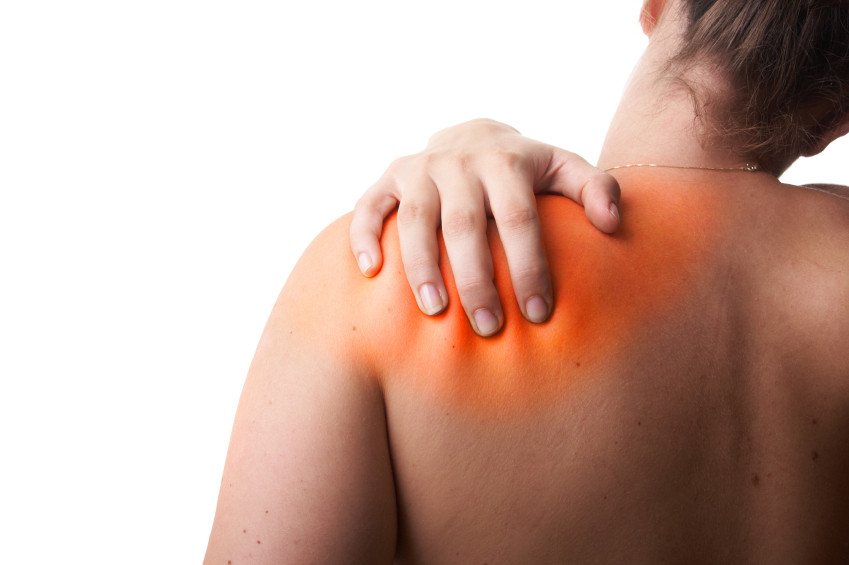
Shoulder Pain and Aging: What’s Normal—and What’s Not
Schedule Shoulder Pain Treatment Near Newburgh, IN
We are approximately 10–15 minutes from most areas of Newburgh, making it convenient for:
Downtown Newburgh residents
Chandler, IN
Paradise, IN
East Evansville commuters
If you’re searching for shoulder pain treatment near Newburgh, Indiana,
we invite you to schedule a consultation and examination.
Our clinic is located at:
Lobacz Chiropractic
4910 Temple Ave
Evansville, IN 47715
Can shockwave therapy help rotator cuff tears?
Shockwave therapy may help certain types of rotator cuff injuries, particularly chronic tendinopathy or partial-thickness tears where the tissue has become degenerative over time. By stimulating circulation and promoting tissue remodeling, shockwave therapy can help reduce inflammation and improve shoulder function. Full-thickness tears or complete ruptures may require surgical evaluation, but many chronic shoulder cases respond well to conservative care.
How long does shoulder pain take to improve?
Improvement timelines vary depending on the severity and duration of the condition. Many patients notice reduced night pain or improved range of motion within the first few weeks. More stubborn cases — such as frozen shoulder or long-standing tendon irritation — may require 6–8 weeks of structured care. The goal is not just temporary relief, but restoring proper shoulder mechanics to prevent recurrence.
Is laser therapy safe for shoulder arthritis?
Yes. Class IV laser therapy is non-invasive and designed to support cellular repair and reduce inflammation. For patients with shoulder arthritis, laser therapy may help improve comfort and mobility without injections or medications. It does not “reverse” arthritis, but it can support joint function and reduce inflammatory irritation.
Do I need surgery for frozen shoulder?
Most cases of frozen shoulder (adhesive capsulitis) do not require surgery. The condition often progresses through stages and can become extremely stiff and painful. Conservative treatment focused on improving circulation, reducing inflammation, and restoring joint motion can significantly improve function. Surgery is typically reserved for severe cases that fail conservative management.
Can shoulder pain come from the neck or upper back?
Yes. The shoulder does not function in isolation. Restricted movement in the cervical or thoracic spine can alter shoulder mechanics and contribute to pain or weakness. Part of a comprehensive evaluation includes assessing spinal movement to determine whether it may be influencing shoulder function.
We proudly serve patients from Evansville, Owensboro, Henderson and surrounding areas, seeking non-surgical shoulder pain treatment.
Lobacz Chiropractic
4910 Temple Ave
Evansville, IN 47715
812-401-0994


