
Non-Surgical Shoulder Pain Treatment in Evansville, IN
Helping Patients Avoid Surgery Using Shockwave Therapy, Laser & Targeted Chiropractic Care
Shoulder Pain
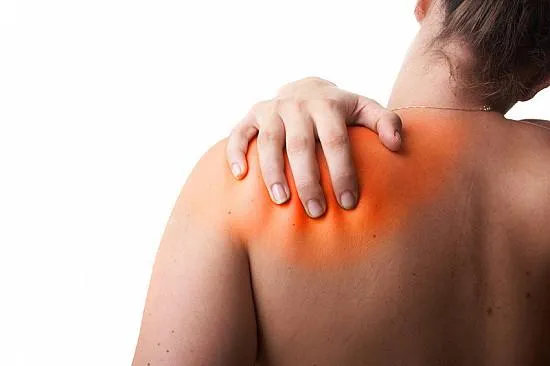
Shoulder pain is one of the most common reasons people seek medical care in Evansville. Whether it stems from rotator cuff irritation, arthritis, frozen shoulder, or years of repetitive overhead work, unresolved shoulder problems can significantly limit sleep, strength, and daily function. At Lobacz Chiropractic, we focus on structured, non-surgical solutions designed to restore motion and reduce inflammation without relying on injections or surgery.
Common Shoulder Conditions We See
Rotator cuff tendinopathy
Shoulder impingement syndrome
Frozen shoulder (adhesive capsulitis)
Arthritis-related stiffness
Post-injury weakness
WHY SHOULDER PAIN LINGERS
Poor blood supply to tendons
Chronic inflammation
Scar tissue buildup
Limited joint mechanics
Compensation patterns
Our Treatment Approach
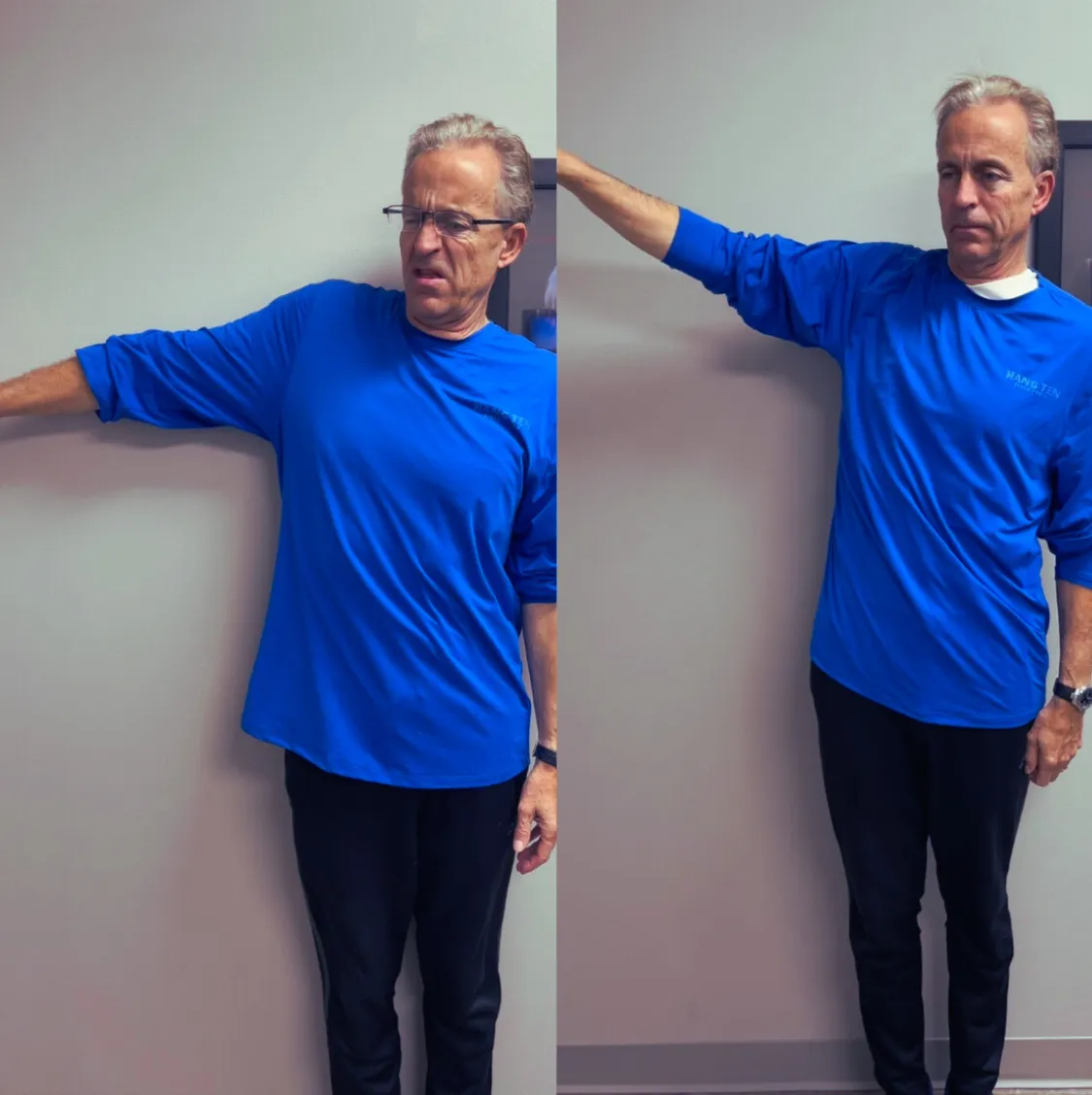
Shoulder pain rarely improves with rest alone — especially when the underlying issue involves chronic tendon irritation, joint restriction, or degenerative tissue changes. At Lobacz Chiropractic, we utilize a multi-modal, structured approach designed to restore circulation, improve tissue quality, and optimize joint mechanics.
Rather than relying on injections or temporary symptom suppression, our focus is on improving how the shoulder functions and heals.
Shockwave Therapy for Chronic Tendon & Tissue Repair
Chronic shoulder conditions such as rotator cuff tendinopathy and impingement often involve poor blood supply and degenerative tissue changes. Over time, this can lead to stiffness, weakness, and persistent inflammation.
Focused shockwave therapy delivers controlled acoustic energy into the affected tissue to:
Stimulate circulation
Encourage tissue remodeling
Break down chronic scar tissue
Promote regenerative healing responses
Shockwave therapy is particularly helpful in cases where pain has lasted longer than 8–12 weeks and has not responded to traditional care.
Class IV Laser Therapy for Inflammation & Cellular Support
Inflammation plays a significant role in many shoulder conditions. Class IV laser therapy works at the cellular level to improve energy production inside damaged tissue and support the body’s natural repair mechanisms.
Bullet Reduce inflammatory irritation
Improve cellular metabolism
Decrease pain sensitivity
Support faster tissue recovery 1
When combined with shockwave therapy, laser helps create a more favorable healing environment within the shoulder joint.
Chiropractic & Motion Restoration
The shoulder is heavily influenced by spinal and ribcage mechanics. Restricted motion in the thoracic spine or cervical region can alter how the shoulder blade moves, placing excess stress on the rotator cuff and surrounding structures.
Targeted Adjustment are meant to:
Restore proper joint motion
Improve shoulder blade mechanics
Reduce compensatory strain
Support long-term stability
By addressing both tissue quality and mechanical movement, we aim to create lasting improvement rather than short-term relief.
What Patients Can Expect
Early Phase (Weeks 1–2):
Reduction in night pain
Improved tolerance to movement
Mid Phase (Weeks 3–6):
Increased range of motion
Improved strength and functional use
Stability Phase (6+ Weeks):
Continued tissue strengthening
Maintenance strategies to prevent recurrence
Many patients benefit from a structured 6–8 week care plan that combines therapies in a coordinated manner rather than isolated visits.
Who is a Good Candidate for Care?
People told they have “bone on bone”
Those wanting to avoid surgery
Chronic pain > 3 months
Failed PT
Difficulty sleeping due to shoulder pain
FAQ

How Long Should Shoulder Pain Last Before You Get It Checked?
Can shockwave therapy help rotator cuff tears?
Shockwave therapy may help certain types of rotator cuff injuries, particularly chronic tendinopathy or partial-thickness tears where the tissue has become degenerative over time. By stimulating circulation and promoting tissue remodeling, shockwave therapy can help reduce inflammation and improve shoulder function. Full-thickness tears or complete ruptures may require surgical evaluation, but many chronic shoulder cases respond well to conservative care.
How long does shoulder pain take to improve?
Improvement timelines vary depending on the severity and duration of the condition. Many patients notice reduced night pain or improved range of motion within the first few weeks. More stubborn cases — such as frozen shoulder or long-standing tendon irritation — may require 6–8 weeks of structured care. The goal is not just temporary relief, but restoring proper shoulder mechanics to prevent recurrence.
Is laser therapy safe for shoulder arthritis?
Yes. Class IV laser therapy is non-invasive and designed to support cellular repair and reduce inflammation. For patients with shoulder arthritis, laser therapy may help improve comfort and mobility without injections or medications. It does not “reverse” arthritis, but it can support joint function and reduce inflammatory irritation.
Do I need surgery for frozen shoulder?
Most cases of frozen shoulder (adhesive capsulitis) do not require surgery. The condition often progresses through stages and can become extremely stiff and painful. Conservative treatment focused on improving circulation, reducing inflammation, and restoring joint motion can significantly improve function. Surgery is typically reserved for severe cases that fail conservative management.
Can shoulder pain come from the neck or upper back?
Yes. The shoulder does not function in isolation. Restricted movement in the cervical or thoracic spine can alter shoulder mechanics and contribute to pain or weakness. Part of a comprehensive evaluation includes assessing spinal movement to determine whether it may be influencing shoulder function.
We proudly serve patients from Evansville, Newburgh, and Henderson seeking non-surgical shoulder pain treatment.
Lobacz Chiropractic
4910 Temple Ave
Evansville, IN 47715
812-401-0994


