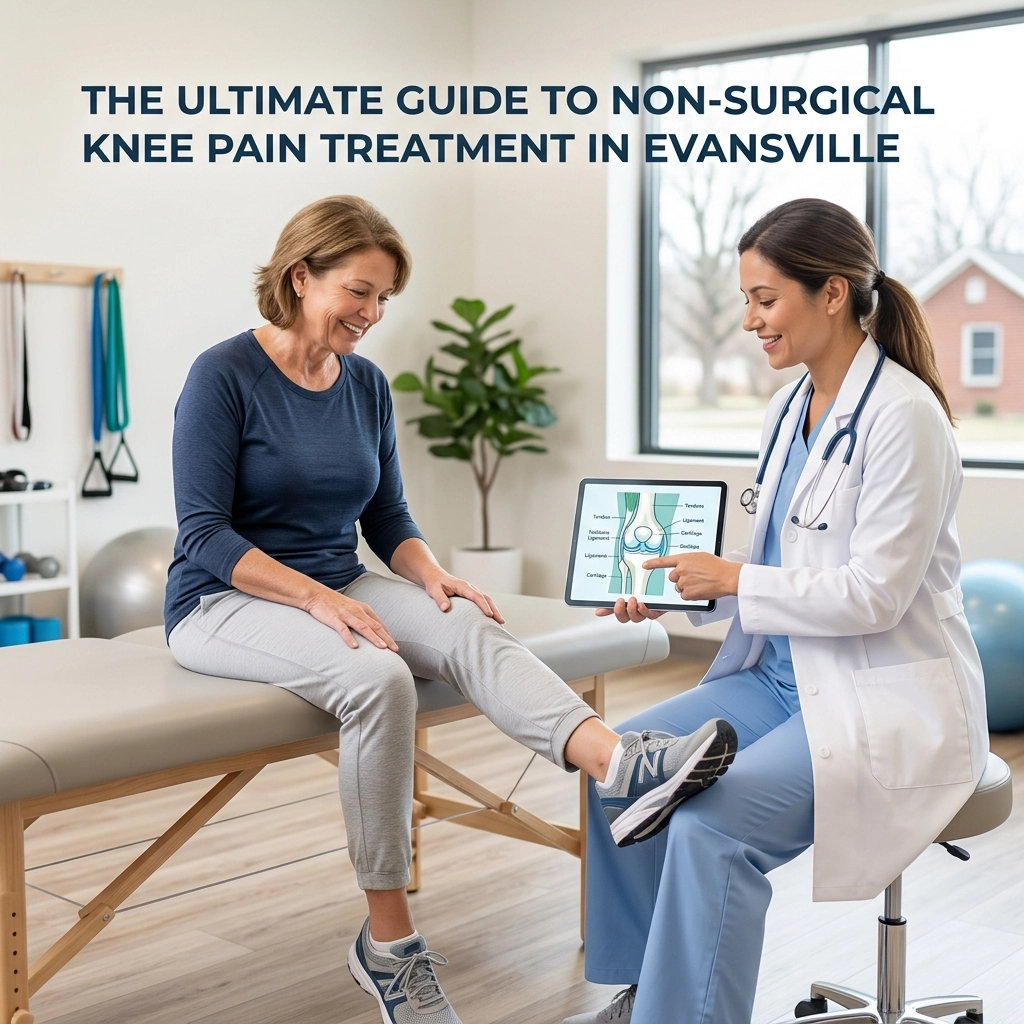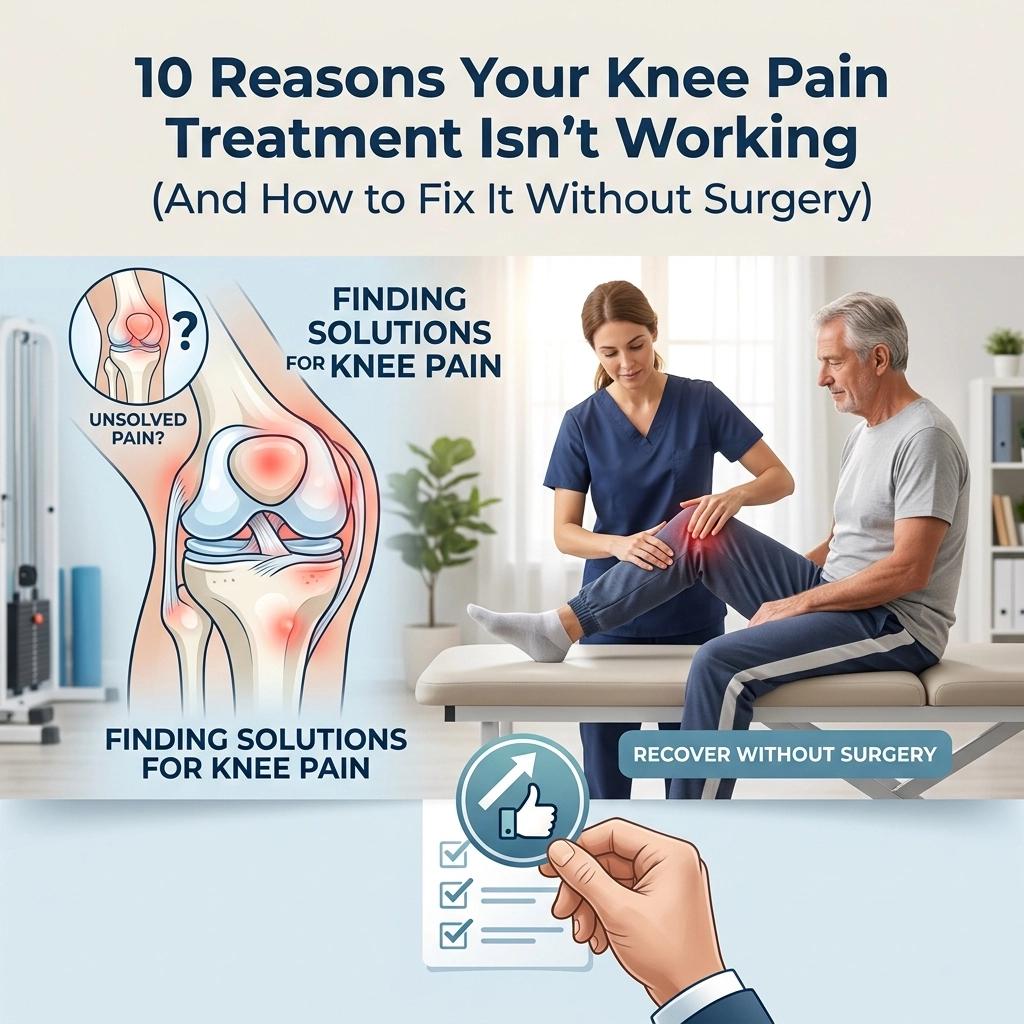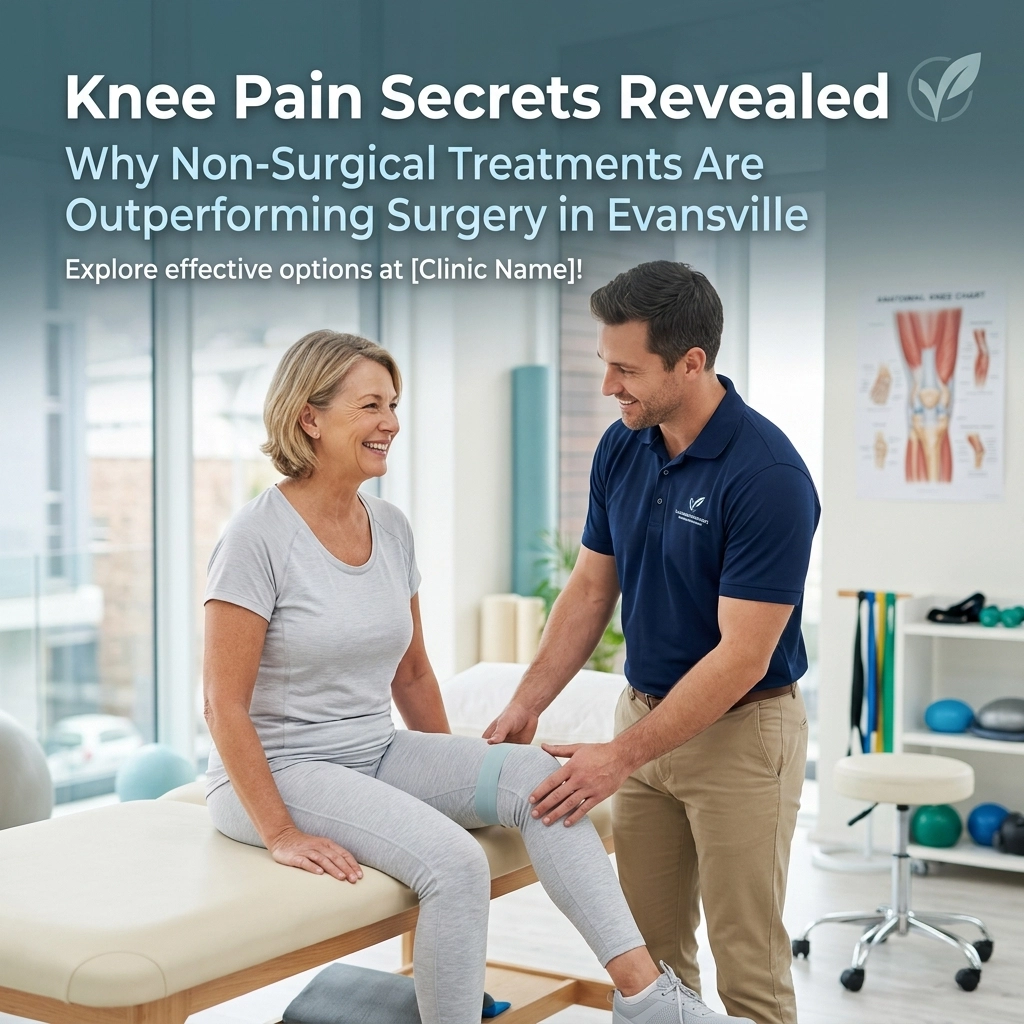
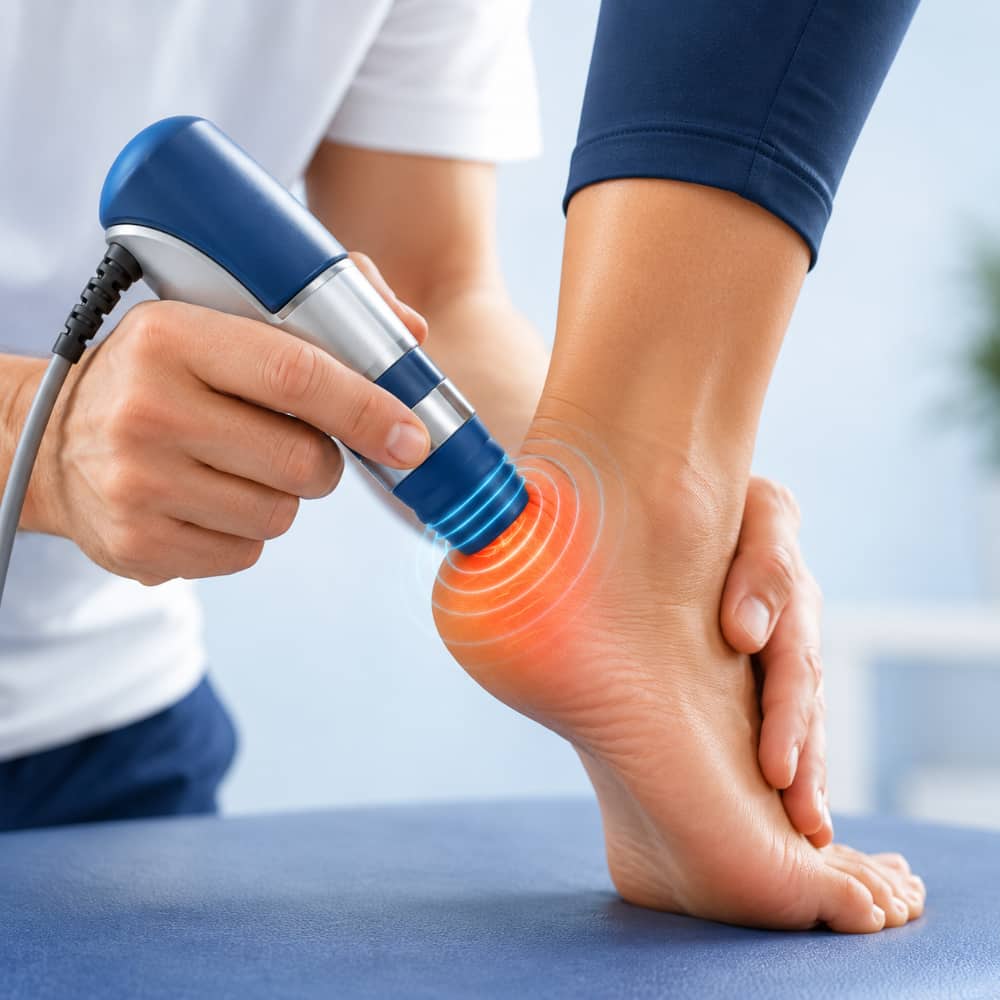
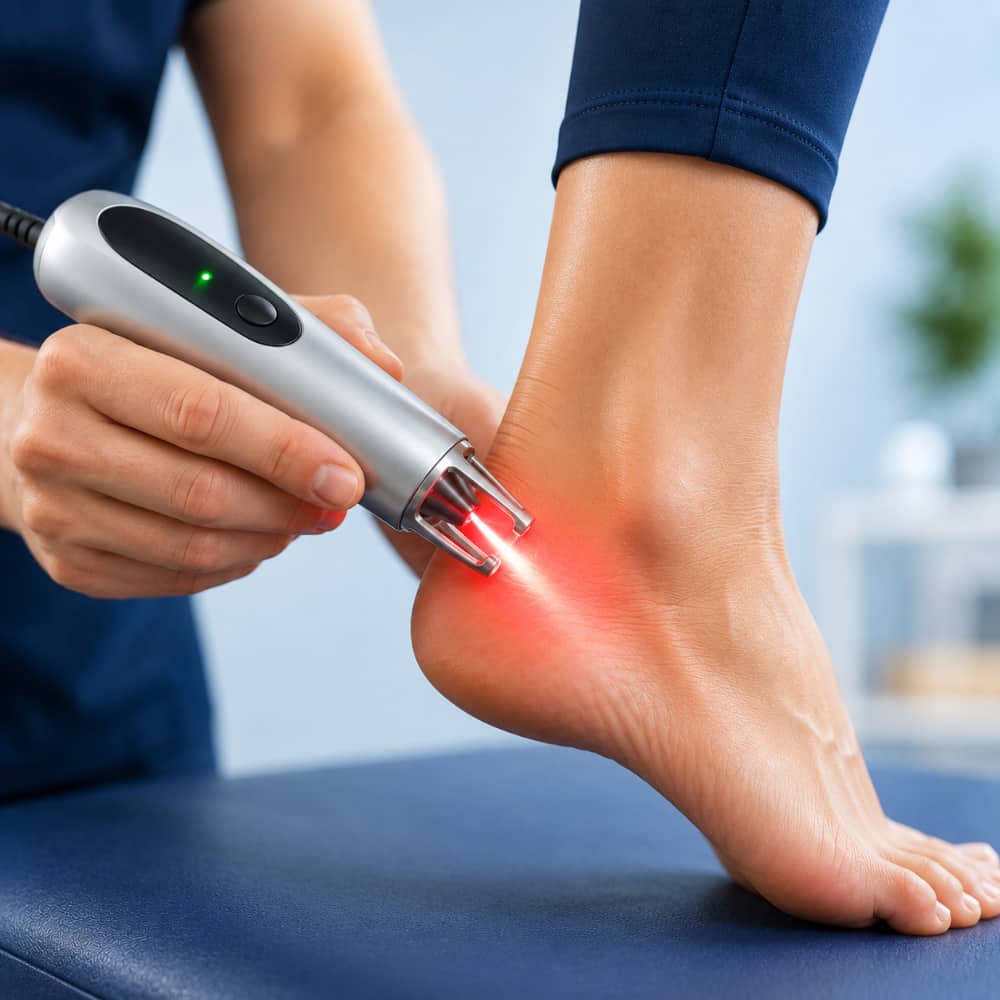
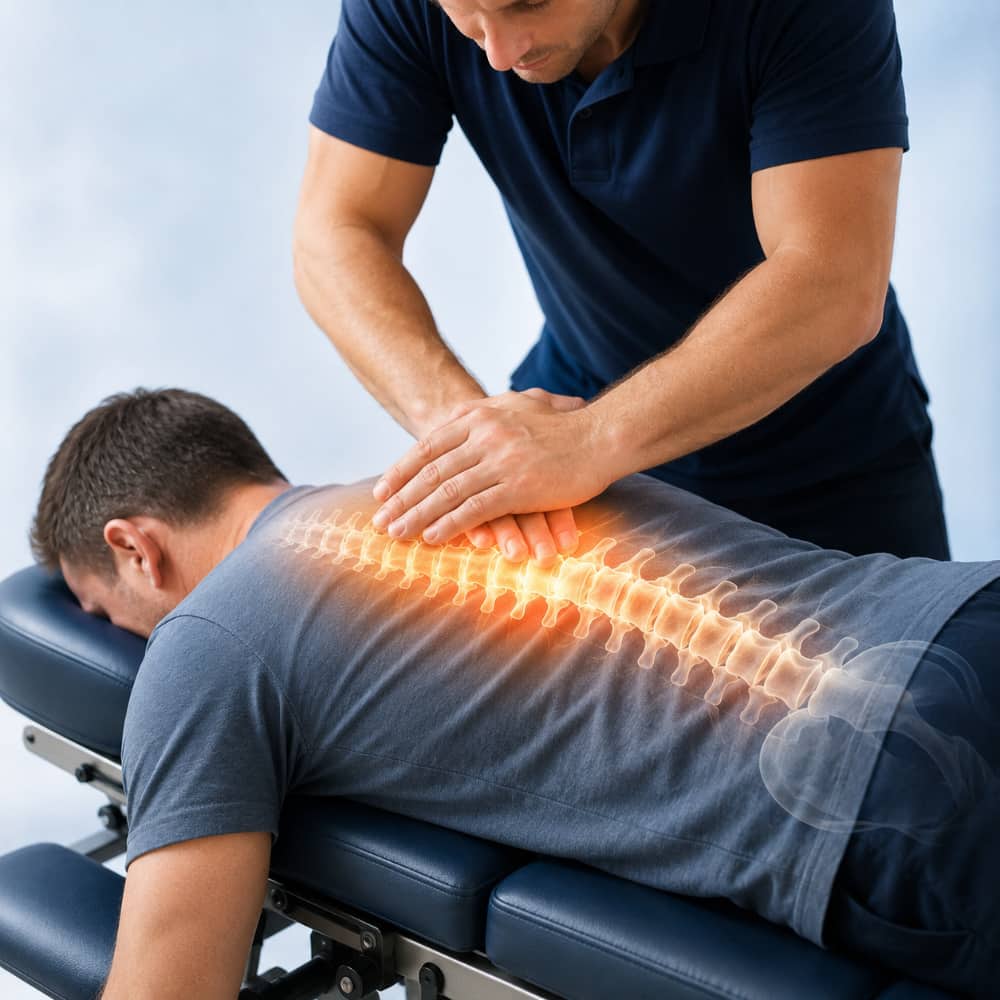
At Lobacz Chiropractic in Evansville, we provide targeted, non-invasive care for knee pain. Using advanced Shockwave Therapy, Class IV Laser Therapy, and chiropractic techniques, we help reduce inflammation, promote tissue healing, improve mobility, and restore confidence in movement—without relying on medications, injections, or surgery.
Dr. Andrew Lobacz, with nearly 22 years of experience, takes a thoughtful, patient-centered approach to chronic knee conditions, arthritis-related pain, tendon issues, and post-injury discomfort.
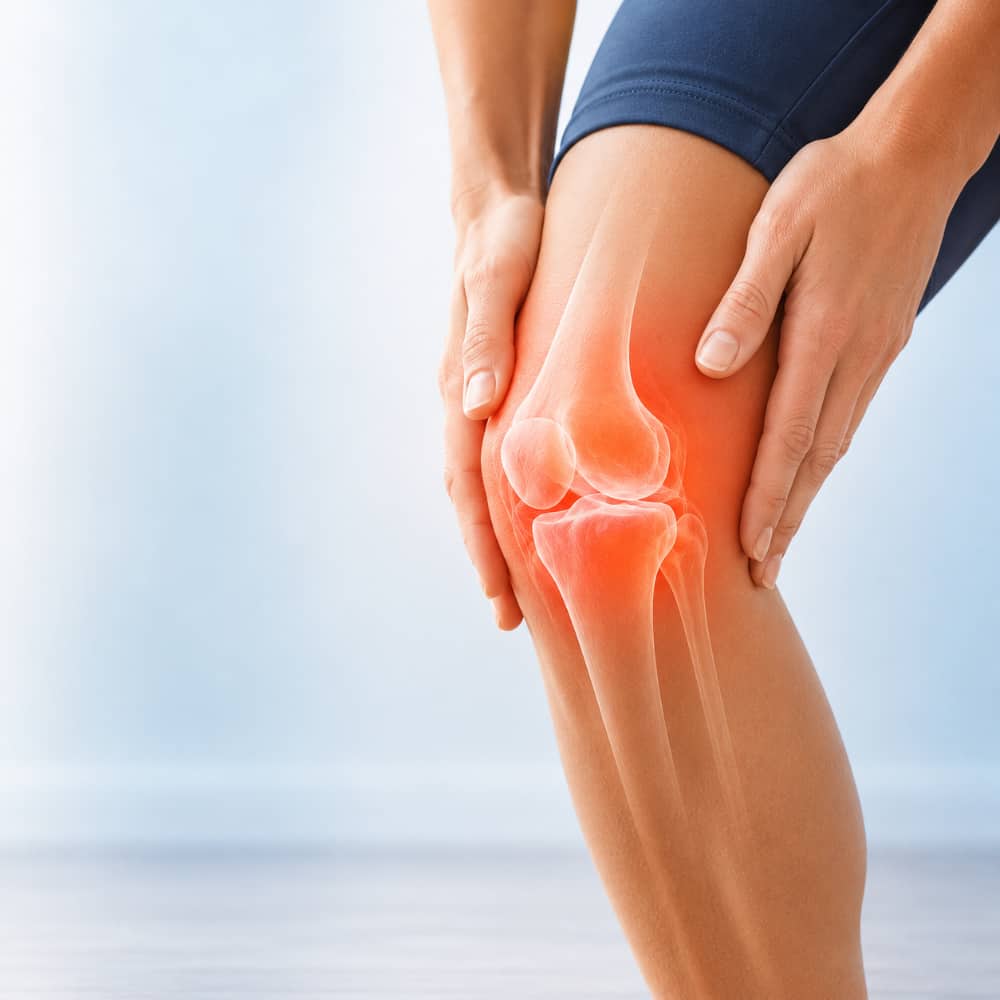
Explore non-surgical pain relief treatments in Evansville, including Shockwave Therapy, Cold Laser Therapy, and Chiropractic Care for lasting results.
What is Knee Pain?
Knee pain involves irritation, overload, or dysfunction of the structures that make up the knee joint—including cartilage, tendons, ligaments, muscles, meniscus, and surrounding tissues. The knee is critical for weight-bearing, shock absorption, stability, and everyday mobility.
When these tissues become inflamed, degenerated, or poorly supported, simple activities like walking, climbing stairs, squatting, or standing from a chair can become painful or difficult.
Common Knee Pain Symptoms
- Sharp or aching pain in or around the knee joint
- Stiffness, especially after sitting or in the morning
- Pain with stairs, getting up from a chair, or squatting
- Swelling or chronic inflammation
- Clicking, popping, or grinding sensations
- Instability or a feeling that the knee may give out
- “Bone-on-bone” sensation or reduced range of motion
Common Causes and Risk Factors
- Osteoarthritis or “wear and tear” changes (including cartilage loss)
- Tendon irritation or overload (patellar tendonitis, quadriceps tendon issues)
- Meniscus irritation or degeneration
- Poor kneecap tracking or patellofemoral pain syndrome
- Residual effects from old injuries or incomplete healing
- Biomechanical issues from hips, ankles, or feet that increase knee stress
- Overuse from repetitive activities, sports, or occupations requiring prolonged standing/walking
- Reduced circulation, muscle weakness, or flexibility imbalances
Why Knee Pain Is Often Mismanaged
- Medications and painkillers only mask symptoms without promoting healing
- Cortisone injections provide temporary relief but can weaken tissues over time and affect blood sugar
- Many patients never receive care that addresses circulation, tissue regeneration, and biomechanics
- Surgery is often recommended prematurely when conservative options remain available
Our Structured Knee Pain Program
A guided, phased approach—not a quick fix:
- Initial Phase: Rapid pain reduction and decreased inflammation
- Healing & Rehabilitation Phase: Improved mobility, strength, and function
- Maintenance Phase: Long-term joint health and prevention of recurrence
Realistic Expectations
Many patients notice early improvements in stiffness and pain within the first few visits. More significant gains in mobility, walking tolerance, and activity confidence build gradually over weeks with consistent care. We focus on meaningful, lasting relief and help many patients avoid or delay surgery.
When to Seek Help for Knee Pain
- Pain that persists for more than a few weeks
- Difficulty with daily activities like walking, stairs, or standing
- Swelling, instability, or locking of the knee
- Pain that interferes with sleep or quality of life
- You’ve been told “bone-on-bone” or recommended injections/surgery but want alternatives
Knee Pain FAQs
This approach is commonly used for chronic knee pain involving arthritis-related changes, tendon irritation, stiffness, overuse injuries, and pain that has not responded well to rest alone. While not every knee condition is the same, many patients benefit from care that focuses on improving tissue tolerance and function rather than masking symptoms.
Laser therapy is painless and non-invasive. Shockwave therapy may be uncomfortable during application, especially in sensitive or chronically irritated areas, but treatments are brief and well tolerated by most patients. Intensity is adjusted based on comfort and clinical goals.
Some patients notice early changes such as reduced stiffness or discomfort within the first few visits. Improvements in mobility, walking tolerance, and activity confidence typically occur gradually over 6-8 weeks. Chronic knee pain usually responds best to consistent care delivered as part of a structured program rather than one-time treatments.
Many cases of knee pain can improve with non-surgical, conservative care focused on supporting tissue health, circulation, and joint function. Treatments such as laser therapy, shockwave therapy, and targeted movement support are commonly used to help the body recover and adapt—especially when surgery or injections are not desired or recommended.
Knee pain often becomes chronic when irritated tissues are unable to fully recover from repeated stress. This can occur due to joint wear, tendon overload, old injuries, reduced circulation, or movement patterns that place excessive strain on the knee. Over time, the knee may become less tolerant to everyday activities such as walking, stairs, or standing.