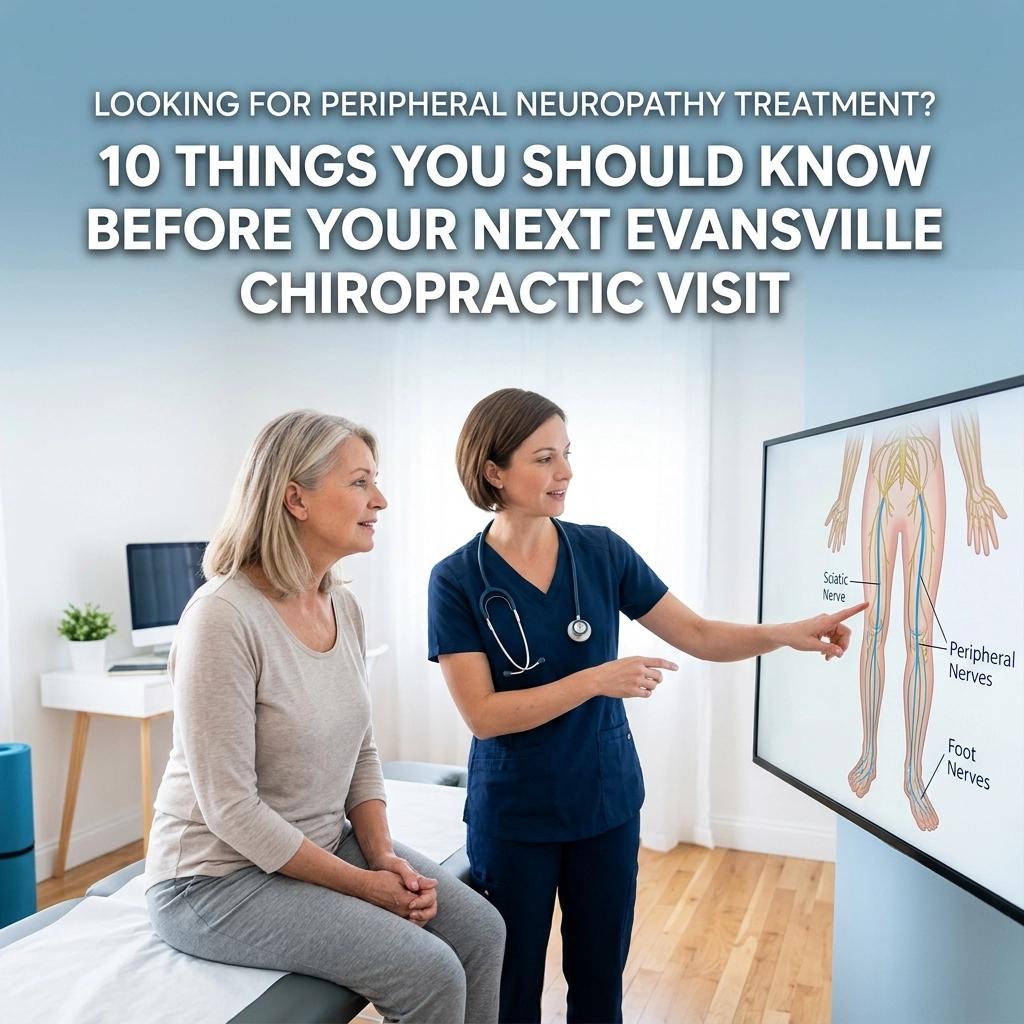
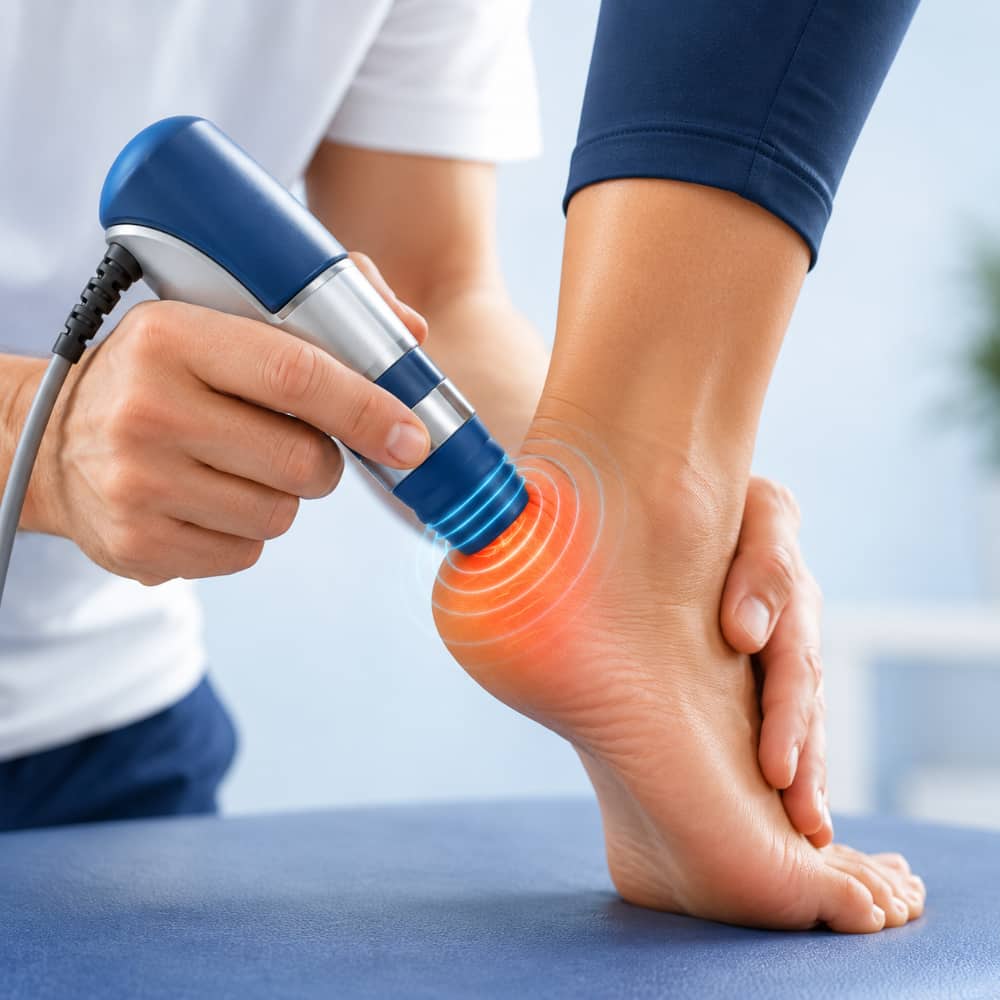
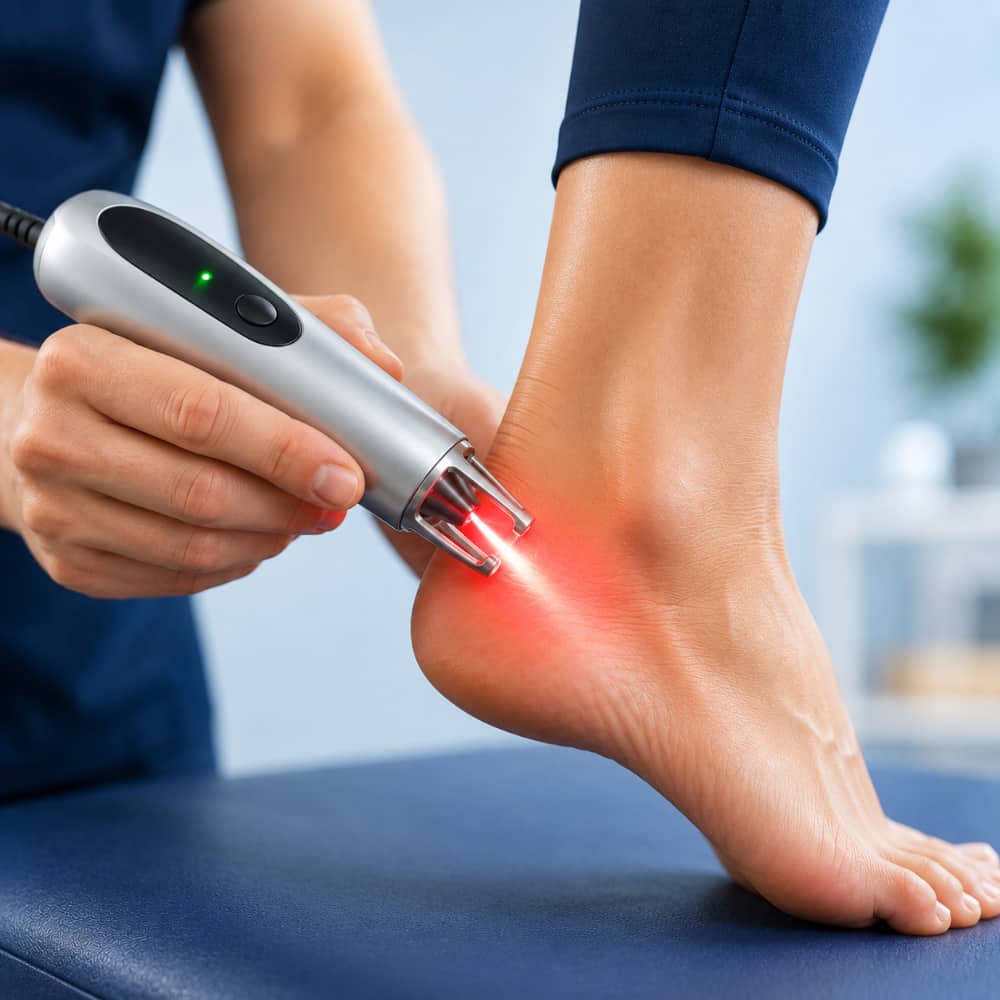
At Lobacz Chiropractic in Evansville, we provide targeted, non-invasive care for peripheral neuropathy. Using advanced laser therapy, shockwave therapy, and chiropractic techniques, we help support nerve health, improve circulation, reduce pain, and restore function—without relying on medications or surgery.
Dr. Andrew Lobacz, with nearly 22 years of experience, takes a thoughtful, patient-centered approach to chronic nerve conditions affecting the feet, legs, hands, and more.
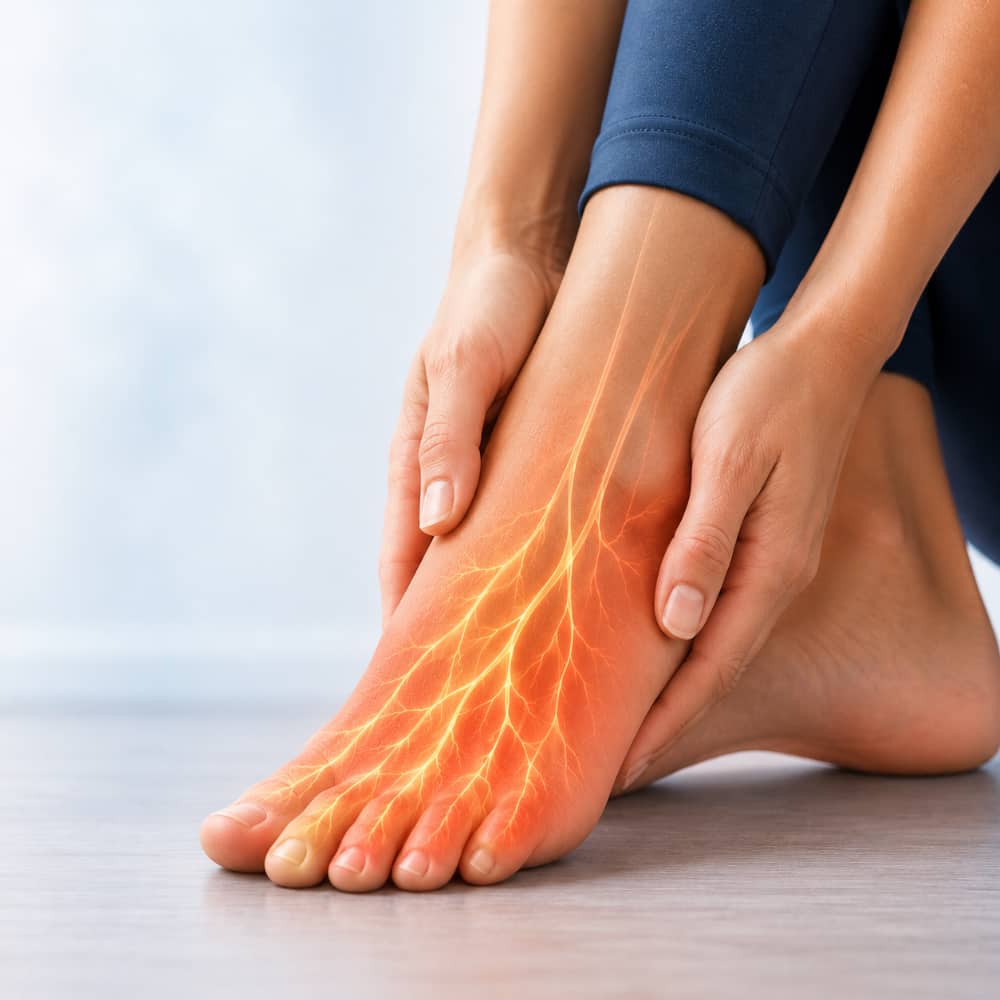
Explore non-surgical pain relief treatments in Evansville, including Shockwave Therapy, Cold Laser Therapy, and Chiropractic Care for lasting results.
What is Peripheral Neuropathy?
Peripheral neuropathy involves damage or dysfunction of the peripheral nerves that transmit signals between your brain, spinal cord, and the rest of your body. These nerves control sensation, movement, and automatic functions. When irritated, compressed, inflamed, or damaged, signals distort—leading to pain, numbness, tingling, weakness, balance issues, and more.
It most commonly affects the feet and lower legs (stocking-glove distribution) but can involve hands, arms, or other areas. Neuropathy is a symptom descriptor, not a single disease—often linked to diabetes, but with many other causes.
Healthy Nerves Rely On:
- Adequate blood supply and oxygenation
- Proper electrical signaling
- Normal metabolic and cellular function
Disruptions from metabolic stress, mechanical compression, inflammation, poor circulation, toxins, or idiopathic factors lead to symptoms.
Neuropathy Symptoms
Sensory Neuropathy (touch, pain, temperature, vibration)
- Burning, aching, or stabbing pain (often worse at night)
- Tingling, “pins and needles,” or electric shocks
- Numbness or reduced sensation (“glove” or “sock” feeling)
- Heightened sensitivity (allodynia)
- Sharp pain or discomfort from light touch
Motor Neuropathy (muscle control and strength)
- Muscle weakness or atrophy
- Difficulty lifting foot/toes (foot drop)
- Cramping or spasms
- Loss of coordination and balance
- Trouble walking or frequent falls
Autonomic Neuropathy (involuntary functions)
- Cold or discolored feet/hands
- Changes in sweating or skin texture
- Lightheadedness upon standing
- Digestive issues
- Temperature regulation problems
Common Causes of Neuropathy
- Diabetes (most common)
- Chemotherapy or medications
- Vitamin deficiencies (B12, etc.)
- Spinal nerve irritation or compression
- Poor circulation / vascular issues
- Idiopathic (unknown)
- Alcohol use, infections, autoimmune conditions, toxins
Why Neuropathy Is Often Mismanaged
- Medications only mask symptoms and carry side effects
- Injections provide temporary relief without repair
- Many patients never receive care addressing nerve environment and circulation
- Surgery is rarely appropriate for peripheral neuropathy
Our Structured Neuropathy Program
Not a quick fix—a guided, phased process:
- Initial Phase: Symptom relief (reduced burning/tingling)
- Rehabilitation Phase: Improved balance, walking tolerance, and sensation
- Maintenance: Long-term function and prevention of progression
Realistic Expectations
Nerves heal slowly. Early wins often include less night pain and better rest. Functional gains (balance, endurance) build gradually. Consistency yields the best outcomes. We do not promise a cure but focus on meaningful improvement where others said “nothing can be done.”
When to Seek Help (Red Flags)
- Progressive numbness or weakness
- Balance problems or falls
- Severe night pain or burning feet
- Loss of sensation increasing injury risk
Neuropathy FAQs
Neuropathy rarely improves with a single therapy alone. Better outcomes occur when care follows a structured program that supports nerves from multiple angles over time. A program approach allows the body to adapt, respond, and build progress in a controlled, measurable way.
Most neuropathy care is well tolerated, and treatment is adjusted to each patient’s comfort level and sensitivity. Some therapies may feel unusual or mildly uncomfortable at times, but care is designed to be safe and manageable—especially for patients with reduced sensation.
Symptoms that often respond first include burning, tingling, sharp pain, cramping, and nighttime discomfort. Functional improvements—such as balance, stability, and walking confidence—tend to improve more gradually. Numbness may take the longest, but progress is still possible.
Yes—many patients experience improvement through non-drug, non-surgical care designed to support nerve health, circulation, and function. While neuropathy is often labeled as “permanent,” newer approaches focus on helping the body create better conditions for nerve repair and symptom reduction. Results vary, but meaningful improvements are possible for many people.
Neuropathy improvement is usually gradual, not instant. Some patients notice early changes—such as reduced burning or night pain—within the first few weeks, while improvements in balance, numbness, or walking tolerance often take longer. Nerves heal slowly, so consistency and time are key factors.