
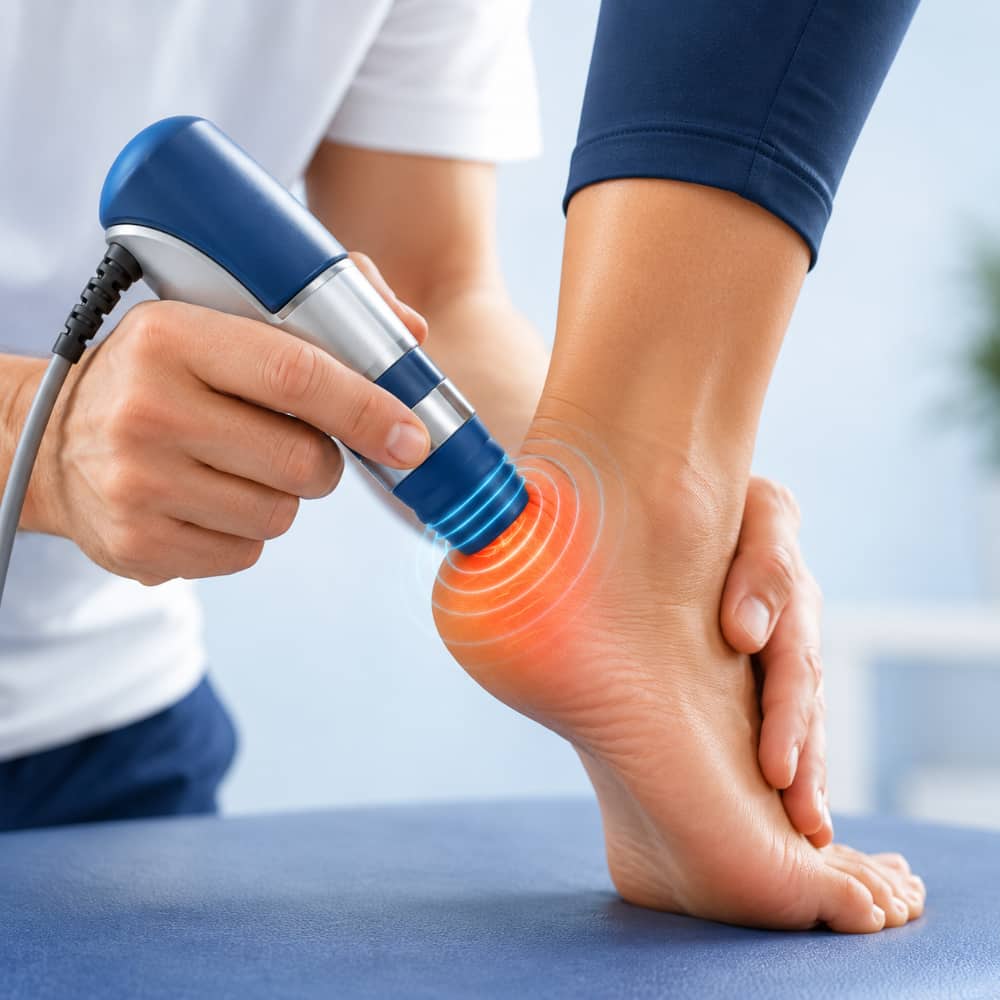
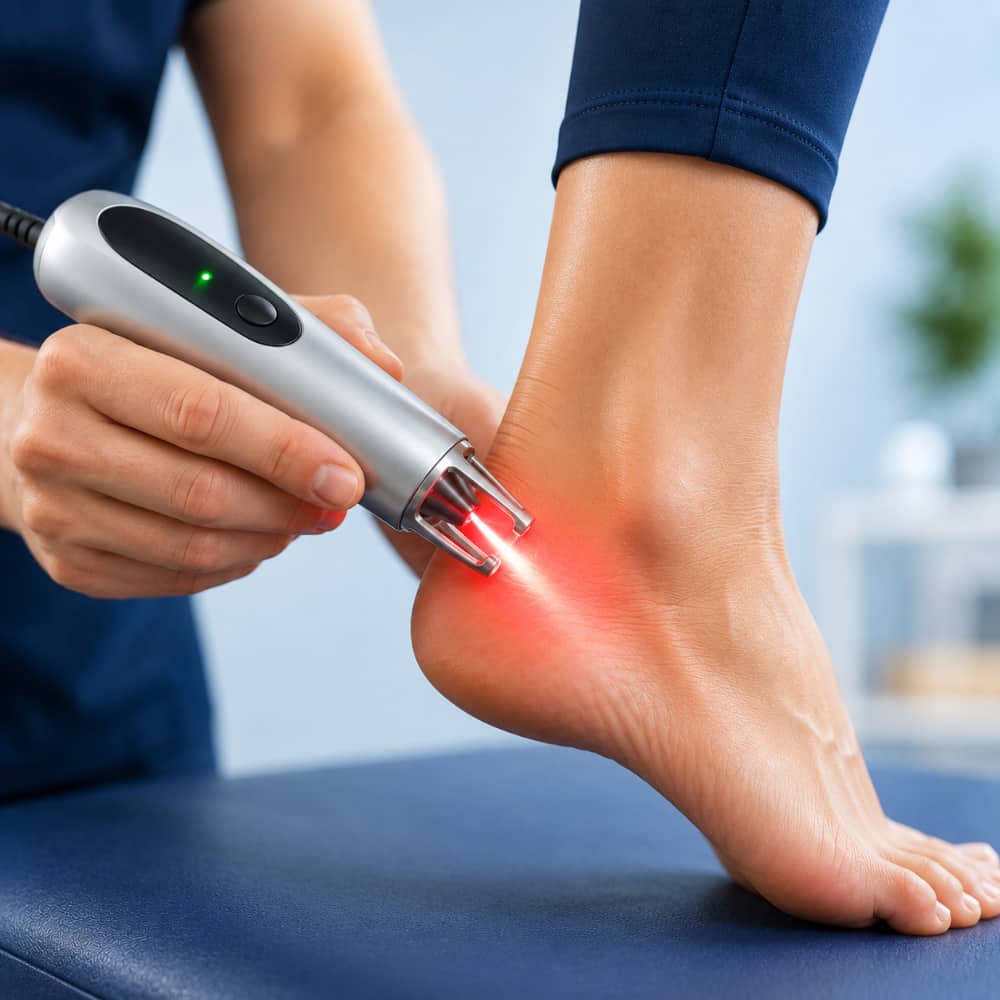
At Lobacz Chiropractic in Evansville, we provide targeted, non-invasive care for plantar fasciitis. Using advanced Shockwave Therapy, Class IV Laser Therapy, and chiropractic techniques, we help reduce inflammation, promote healing in the plantar fascia, relieve heel pain, and restore comfortable movement—without surgery or injections.
Dr. Andrew Lobacz, with nearly 22 years of experience, takes a thoughtful, patient-centered approach to stubborn heel pain affecting daily activities, work, and exercise.
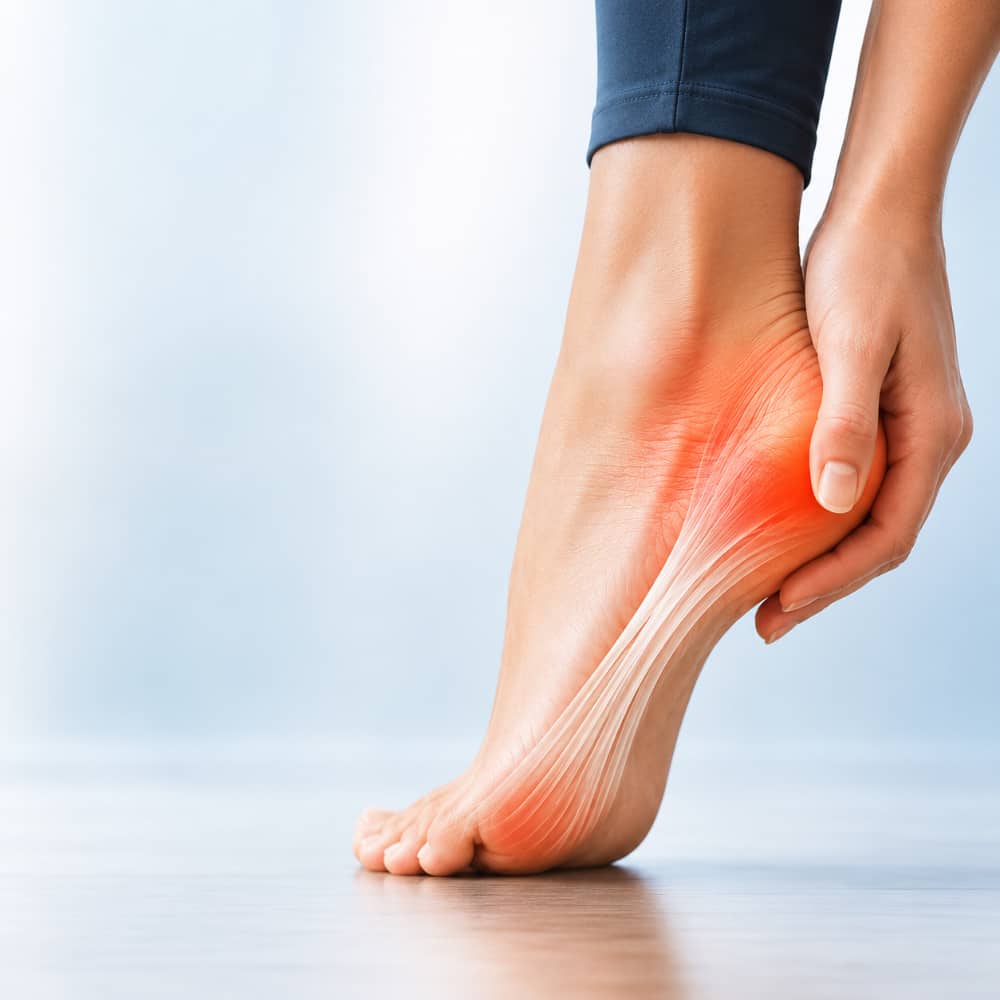
Explore non-surgical pain relief treatments in Evansville, including Shockwave Therapy, Cold Laser Therapy, and Chiropractic Care for lasting results.
What is Plantar Fasciitis?
Plantar fasciitis is inflammation or degeneration of the plantar fascia — a thick band of connective tissue that runs along the bottom of your foot, connecting your heel bone to your toes. It supports the arch of your foot and acts as a shock absorber during walking and running.
When this tissue is overstressed or damaged, it leads to heel pain that is typically worst with the first steps in the morning or after sitting for long periods.
Common Symptoms of Plantar Fasciitis
- Sharp, stabbing pain in the bottom of the heel, especially with the first steps in the morning
- Pain that improves slightly with movement but worsens after prolonged standing or walking
- Aching or burning sensation in the heel or arch
- Heel pain that intensifies after exercise or at the end of the day
- Stiffness or tightness in the arch or Achilles tendon
- Limping or altered gait to avoid putting pressure on the heel
Common Causes and Risk Factors
- Overuse from running, standing for long periods, or walking on hard surfaces
- Improper footwear lacking adequate arch support or cushioning
- Tight calf muscles or Achilles tendon
- Age (most common between 40-60), excess weight, or sudden increase in activity level
- Biomechanical issues such as flat feet, high arches, or overpronation
- Occupations requiring extended time on your feet (teachers, nurses, retail workers, factory workers)
Why Plantar Fasciitis Is Often Mismanaged
- Rest and ice provide only temporary symptom relief
- Medications mask pain without addressing tissue healing
- Cortisone injections can weaken the fascia over time
- Many approaches fail to correct underlying biomechanics or promote true regeneration
Our Structured Plantar Fasciitis Program
Not a one-size-fits-all quick fix — a guided, phased approach designed for lasting results:
- Initial Phase: Rapid pain reduction and inflammation control
- Healing Phase: Tissue repair, improved mobility, and restored function
- Maintenance Phase: Strengthening, prevention of recurrence, and long-term foot health
Realistic Expectations
Most patients notice meaningful improvement within a few visits, with cumulative benefits building over several weeks. Consistency with recommended home care and activity modifications is key. We focus on natural, lasting relief and help many patients avoid surgery.
When to Seek Help for Heel Pain
- Heel pain that persists for more than a couple of weeks
- Pain that interferes with daily activities, work, or exercise
- Limping or significant changes in your walking pattern
- Pain accompanied by swelling, redness, or inability to bear weight
Plantar Fasciitis FAQs
Yes — chiropractic care is a safe and highly effective option for most cases of plantar fasciitis. It avoids the risks associated with long-term medication use, steroid injections, or surgery while delivering excellent outcomes for pain relief and functional improvement.
Because the approach is holistic (addressing foot, ankle, and full-body alignment), patients often see better long-term results compared to isolated treatments. Mild soreness after the first few sessions is normal and temporary, similar to starting a new exercise routine. Your chiropractor will tailor techniques to your comfort level and monitor progress closely. Success rates are high when patients follow recommended home exercises and lifestyle modifications.
Chiropractic care offers a comprehensive, non-surgical approach that addresses both the symptoms and underlying causes of plantar fasciitis. Rather than just masking pain, treatment focuses on restoring proper foot mechanics, reducing inflammation, and preventing recurrence.
Effective chiropractic techniques for plantar fasciitis include:
- Foot and ankle adjustments to restore joint mobility
- Soft tissue therapies such as myofascial release, instrument-assisted soft tissue mobilization (IASTM), or massage
- Cold laser therapy (low-level laser) to accelerate tissue healing and reduce inflammation
- Custom orthotics or taping recommendations
- Rehabilitation exercises targeting the foot, calf, and core for better biomechanics
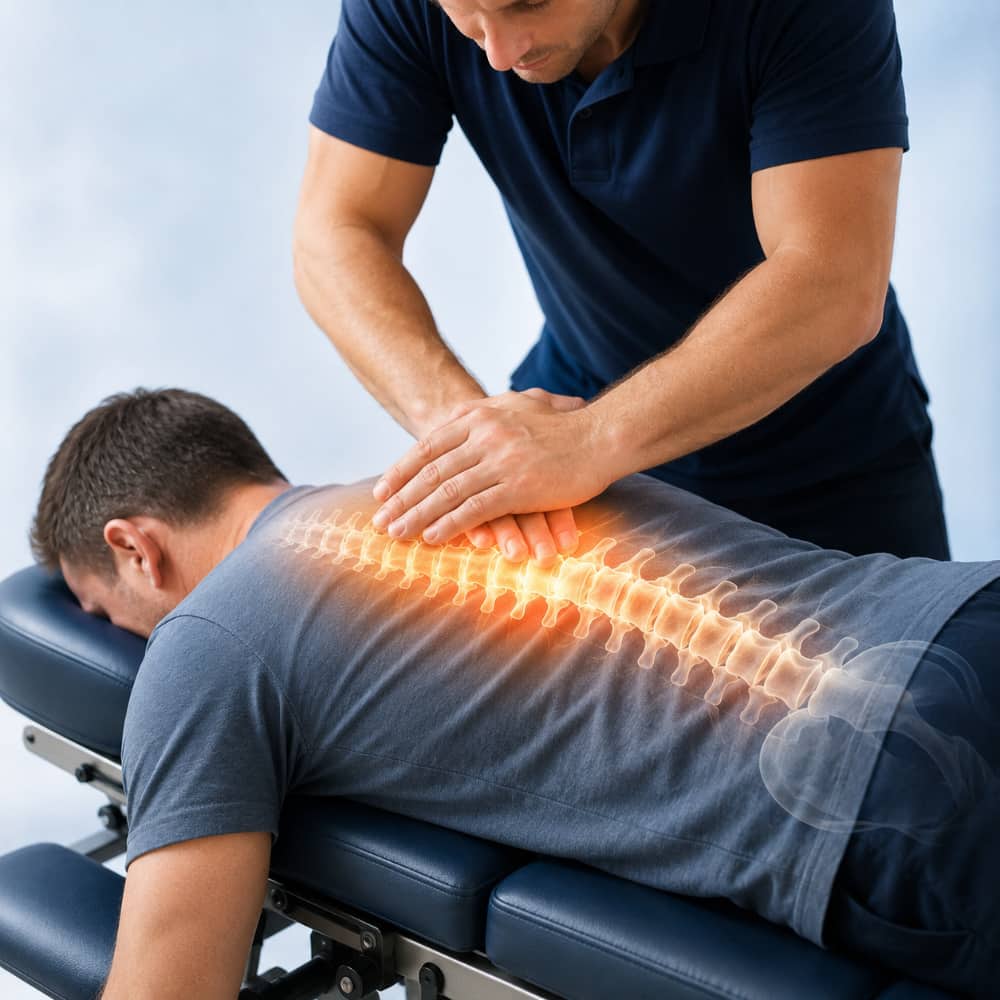
- Spinal and pelvic adjustments to correct upstream issues affecting gait and weight distribution
Many patients experience significant relief within a few weeks when following a consistent care plan.
Plantar fasciitis is one of the most common causes of heel pain. It occurs when the thick band of tissue (plantar fascia) that runs along the bottom of your foot and connects your heel bone to your toes becomes inflamed, irritated, or micro-torn from repetitive stress.
Common causes and risk factors include:
- Overuse from prolonged standing, running, or walking on hard surfaces
- Poor footwear or lack of arch support
- Tight calf muscles or Achilles tendon
- Sudden increases in activity level
- Excess weight, flat feet, or high arches
- Biomechanical issues such as improper gait or pelvic misalignment
The pain is typically worst with the first steps in the morning or after periods of rest (“startup pain”) and can significantly impact daily activities and quality of life if left untreated.