

Foot neuropathy can make ordinary activities feel difficult, from walking through Eastland Mall to standing at work or relaxing near Wesselman Woods. Burning, tingling, numbness, and weakness in the feet may be signs that nerves are irritated, compressed, inflamed, or not receiving the support they need.
At Lobacz Chiropractic, our first step is understanding why foot neuropathy symptoms are occurring. A careful evaluation helps determine whether the problem involves peripheral nerves, the spine, circulation, metabolic health, or a combination of factors.
What Is Foot Neuropathy?
Patients in Evansville often ask what this condition actually means. Foot neuropathy describes nerve dysfunction affecting the feet. Peripheral nerves carry information between the brain, spinal cord, skin, and muscles. When these nerves become damaged or irritated, communication may become distorted.
People may experience:
- Burning or hot sensations
- Pins-and-needles tingling
- Numbness in the toes or soles
- Electric or shooting discomfort
- Increased sensitivity to socks or bedsheets
- Weakness in the feet or ankles
- Balance problems or a feeling of instability
Unlike a simple bruise or strained muscle, foot neuropathy often follows a nerve-related pattern. Symptoms may affect both feet, begin in the toes, or become more noticeable at night.
The Mayo Clinic explains peripheral neuropathy symptoms and causes, including the importance of identifying the underlying condition rather than focusing only on pain reduction.
How Foot Neuropathy Differs From Other Foot Pain
Not every foot symptom is caused by nerve dysfunction. Plantar fasciitis, arthritis, tendon problems, stress injuries, and circulation issues can create overlapping discomfort.
Some general differences include:
- Nerve-related symptoms: Burning, tingling, numbness, electric sensations, or altered temperature perception
- Plantar fasciitis: Often sharp heel pain with the first steps after rest
- Tendon or muscle problems: Pain related to movement, pressure, or a specific activity
- Joint arthritis: Stiffness, swelling, and pain during weight-bearing
- Circulation concerns: Coldness, color changes, cramping, or wounds that heal slowly
These patterns are not a substitute for a diagnosis. A person can have more than one condition at the same time. For example, nerve irritation may exist alongside plantar fasciitis or a spinal problem.
Common Causes of Foot Neuropathy
Several health conditions and physical factors may contribute to foot neuropathy symptoms. Common possibilities include:
- Diabetes or elevated blood sugar: Metabolic changes can gradually affect small nerves in the feet.
- Nerve compression: Pressure near the ankle, foot, pelvis, or lower back may affect nerve signaling.
- Spinal problems: Disc changes, narrowing, or irritation of a spinal nerve root can sometimes refer symptoms into the leg or foot.
- Vitamin B12 deficiency: Inadequate B12 may affect nerve health.
- Alcohol use: Excessive alcohol can contribute to nutritional deficiencies and direct nerve irritation.
- Medications: Some chemotherapy drugs and other medications may produce nerve-related side effects.
- Circulation concerns: Reduced blood flow may contribute to coldness, altered sensation, or delayed healing.
- Kidney, liver, autoimmune, or thyroid conditions: These may affect the nervous system.
- Prior injury or repetitive pressure: Trauma, scar tissue, or prolonged compression can irritate a nerve.
Because the causes differ, simply resting the feet may not resolve the problem. An evaluation can help determine whether the next step should include medical testing, coordination with a primary-care provider, or conservative treatment focused on movement and nerve support.
Foot Neuropathy Symptoms to Track
Keeping a brief symptom record can make an evaluation more useful when foot neuropathy is suspected. Note:
- When symptoms began
- Whether one foot or both feet are affected
- Whether symptoms are worse at night
- What makes them better or worse
- Whether you have weakness or balance changes
- Any history of diabetes, back pain, injury, or nutritional deficiency
- Current medications and supplements
- Any sores, blisters, skin color changes, or temperature changes
Symptoms that interfere with sleep, walking, driving, exercise, or work deserve attention. Waiting for numbness to become severe may allow the underlying problem to continue unnoticed.
When to Seek Prompt Medical Attention
Contact a medical professional promptly if you notice rapidly worsening numbness, new weakness, repeated falls, or difficulty lifting the foot. Sudden symptoms affecting one side of the body, confusion, facial drooping, or trouble speaking require emergency evaluation.
People with diabetes should inspect their feet daily. Seek prompt medical care for:
- Open sores or ulcers
- Increasing redness, swelling, warmth, or drainage
- Black or blue discoloration
- A wound that is not healing
- Sudden temperature or color changes
- New loss of protective sensation
Foot neuropathy can reduce the ability to feel an injury. A small blister may become a larger problem if it is not noticed and protected.
Evaluation First: Finding the Source
A thorough evaluation for foot neuropathy may include a health history, movement assessment, neurological screening, and examination of the feet and lower legs. Depending on the findings, additional testing through a medical provider may be appropriate, such as blood glucose, vitamin levels, nerve conduction testing, or imaging.
At Lobacz Chiropractic, we look at how the spine, pelvis, hips, legs, and feet work together. Our goal is not to assume that every burning or tingling sensation has the same cause. Not every pattern of foot neuropathy requires the same approach, which is why a thorough evaluation matters.
Learn more about our approach to neuropathy care in Evansville and chiropractic care focused on movement and function.
MLS Laser Therapy for Foot Neuropathy
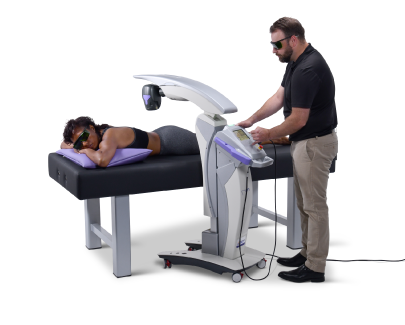
MLS Laser Therapy is a non-invasive treatment that uses photobiomodulation to support cellular activity. For some foot neuropathy cases, this may be part of a broader conservative plan. According to CE Lasers’ medical MLS Laser Therapy information, the system uses a patented Multiwave Locked System that synchronizes continuous 808nm and pulsed 905nm wavelengths.
The treatment is designed to:
- Support ATP production and cellular energy
- Help reduce inflammation
- Support local circulation
- Modulate pain signaling
- Encourage tissue repair and recovery
MLS Laser Therapy is an FDA-cleared Class IV laser system. Treatment is gentle and does not involve injections, incisions, or downtime. It may be considered as part of a broader plan when nerve-related discomfort is accompanied by inflammation or soft-tissue irritation.
It is important to understand that laser therapy does not replace evaluation or management of conditions such as diabetes, vitamin deficiency, or circulation problems. The best plan depends on the suspected cause and the individual’s health history.
Stimpod NMS460 PRF Therapy for Foot Neuropathy

Stimpod NMS460 PRF Therapy uses a targeted pulsed radiofrequency electromagnetic waveform delivered through a probe positioned near the nerve. For some foot neuropathy patients, the goal is to help calm overactive nerve signaling and reduce abnormal sensations.
This approach is:
- Non-invasive
- Delivered through an external probe
- Not an injection
- Not surgery
- Designed to target nerve signaling rather than simply mask symptoms
You can review the manufacturer’s information about the Stimpod NMS460 PRF Therapy System. As with any specialized therapy, suitability depends on the evaluation and the likely source of the symptoms.
Chiropractic Care and Other Conservative Options
Chiropractic care may be appropriate when nerve irritation is influenced by restricted spinal or lower-extremity movement. When movement restrictions appear to be contributing to foot neuropathy symptoms, chiropractic care may help. In some cases, care may focus on improving joint motion, reducing mechanical stress, supporting posture, and helping the body move more efficiently.
Depending on the findings, a plan may also include:
- Gentle mobility exercises
- Balance and strengthening work
- Footwear or activity recommendations
- Ergonomic changes for work and daily activities
- Coordination with a medical provider
- Education about daily foot inspection and protection
JointWave Shockwave Therapy may be considered when a separate soft-tissue or musculoskeletal condition is contributing to foot discomfort. It is not used to diagnose the cause of nerve damage, but it may be relevant when chronic tissue irritation exists alongside nerve symptoms.


For readers comparing symptoms, our related guides on neuropathy of the feet in Evansville, neuropathy in feet, and burning feet relief provide additional background.
What Evansville-Area Patients Should Know About Foot Neuropathy
Foot symptoms can affect how you walk along the Pigeon Creek Greenway, shop near Eastland Mall, commute on Lloyd Expressway, or attend an event at the Ford Center. Patients also visit us from Newburgh, Henderson, Owensboro, and communities throughout the 20-mile Tri-State area.
If you have been searching for answers about foot neuropathy near Evansville, you are not alone. Many people are trying to understand why symptoms keep returning.
If symptoms are persistent, an evaluation at our office on Temple Ave can help clarify whether the problem appears related to nerve irritation, movement restrictions, soft-tissue dysfunction, or a condition that requires referral for medical testing.
Take the Next Step
Persistent foot neuropathy should not be dismissed as something you simply have to live with. If your symptoms are affecting your routine in Evansville or the surrounding Tri-State area, the right next step is to identify the likely source, protect the feet, and choose conservative care that fits your needs.
You can schedule a new-patient evaluation in Evansville to discuss your symptoms and available non-surgical options for foot neuropathy.
I believe effective care starts with finding the root cause instead of chasing symptoms from visit to visit. My mission is to provide clear answers, use appropriate technology, and help each patient work toward improved comfort and mobility through an honest, individualized plan.
Lobacz Chiropractic
4910 Temple Ave
Evansville, IN 47715
Phone: 812-401-0994
Website: lobaczchiropractic.com


